

























































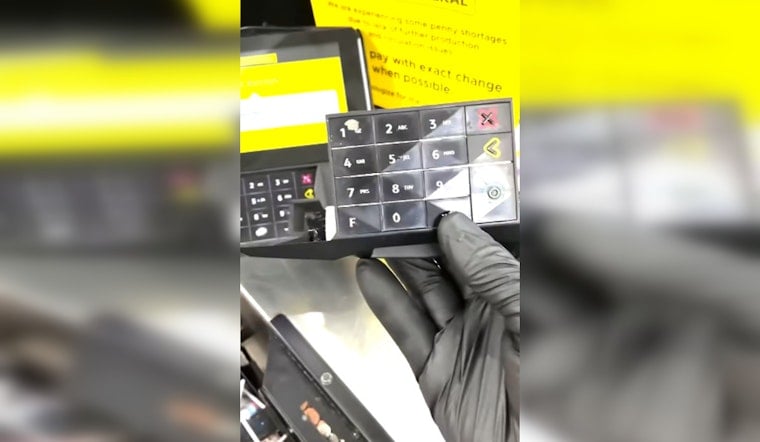
Fayette County shoppers are being told to look twice before they pay after deputies uncovered card-skimming devices on registers at three local dollar stores on Friday, according to the Sheriff's Office. The skimmers capture magnetic-stripe data and, in some cases, keypad entries, giving criminals what they need to clone cards or drain Electronic Benefit Transfer accounts. Investigators say the devices can be small and built to resemble legitimate readers, and some newer versions can transmit stolen data wirelessly. County officials are urging customers to use tap-to-pay when possible and to call 911 if they see anything suspicious on a payment terminal.
Local Finds Tie Into A National Skimmer Crackdown
According to Atlanta News First, Fayette County deputies removed suspected skimming machines from three dollar-store payment terminals and urged residents to inspect card readers before swiping. The U.S. Secret Service has been leading similar outreach and enforcement efforts nationwide, and a recent campaign removed hundreds of illegal skimming devices and helped prevent an estimated $428.1 million in potential fraud, according to a federal release cited in an update from The Secret Service. The agency and fraud investigators warn that EBT cardholders are frequent targets because stolen benefits can be siphoned off quickly.
What Skimming Devices Look Like And How They Work
Skimmers typically show up as a plastic overlay or an extra attachment on top of a terminal, often paired with a rubber keypad, and they record card swipes along with any PINs that shoppers enter. Local law enforcement recently found a similar reader at a Dollar General register in Troup County, underscoring how quickly thieves can hit neighborhood stores, as FOX 5 Atlanta reported. Industry reporting and federal briefings note that modern skimmers can be Bluetooth-enabled or store data on removable memory cards so criminals can collect the information without returning to the site, according to Payments Dive.
How Shoppers Can Protect Themselves
Experts advise using contactless payments when available, checking readers for loose or mismatched parts, and covering the keypad when typing in a PIN. Banks and consumer guides recommend keeping a close eye on account activity and contacting your card issuer right away to freeze or replace a card if you spot unauthorized charges. Capital One's security guidance suggests wiggling a card reader to see if anything feels out of place and reporting suspicious hardware to store staff or police. Consumer security guides from major card issuers offer step-by-step advice, and Fayette County officials told Atlanta News First that residents should call 911 if they discover a device attached to a point-of-sale terminal.





