

























































Nancy Waldhaus has called her South Baltimore rowhouse home since 1994. Now she says it feels like the ground under that life is literally shifting. In recent months, Waldhaus says floors have pulled away from baseboards and new cracks have snaked across walls and tile. After a heavy April 2024 storm, a tree on the city-owned lot next door suddenly dropped several feet, she says, and she filed a 3-1-1 report.
Waldhaus hired a structural engineer, who measured crack growth that reached a 2 millimeter threshold and recommended borings to inspect the soils beside her foundation. The homeowner worries the movement under her house could be connected to a long-buried network of 19th-century sand and clay mines beneath the neighborhood.
Homeowner's Alarm and Professional Warnings
Waldhaus says the first red flag came when she realized she could slide her hand under baseboards where the floor had pulled away. After the April storm, she says small gaps opened between her front steps and the house itself. Her consultant told her the cracks were growing quickly enough that immediate borings were needed to find out whether the house still sits on solid material.
Because the neighboring lot is city-owned, Waldhaus says she requested permission from the city to get those tests done. She says that the request went unanswered for months. According to WMAR 2 News, she remains stuck, unable to repair or sell, because the city has not laid out a clear remediation plan.
A 1951 Warning
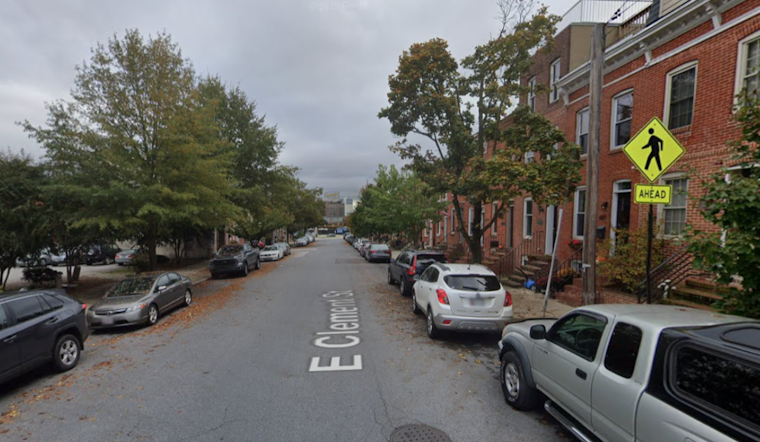
The fear that the ground might give way in this part of South Baltimore is not new. A 1951 city report documented a web of man-made caverns about 30 feet below the 600 block of East Clement Street after several basements suddenly collapsed, prompting officials to condemn and demolish six rowhouses.
The deputy highways engineer at the time described arched, pick-marked chambers that miners had carved out while digging for sand used in glassmaking. The city later filled shafts with roughly 1,500 tons of sand and gravel, then paved over the lots. Those records are catalogued by the Maryland State Archives, and the South Baltimore Peninsula Post reviewed the archival material while reporting on the city’s recent subsurface testing.
City Response and Testing Under Way
The city says its work so far has been limited to surface-level checks, including an initial survey that reached about six feet below ground. Officials say a deeper investigation will require more invasive borings to chart any underground voids.
A Department of Public Works engineer told residents the city is working to “determine the appropriate remediation strategies and associated costs” and said, “further communication moving forward will be coordinated through the law department.” Waldhaus says crews have returned to drill test borings nearby, but that she has not been given a timeline for a final report. WMAR 2 News reported that multiple city offices were contacted for comment.
What Comes Next
Last year, the Department of Transportation brought in contractors to drill several soil borings to depths of up to 40 feet along the block in an effort to better define the limits of the fill and any voids. Firms including STV Inc. and EBA Engineering are expected to deliver a findings report to the city.
According to the South Baltimore Peninsula Post, the city has not set a public timeline for its next steps. Neighbors say that uncertainty is freezing repairs and complicating home sales.





