

























































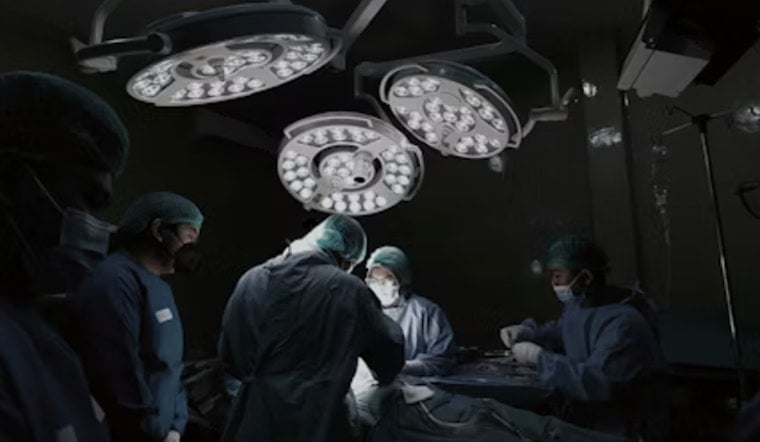
A 28-year-old South Side resident has become the face of an almost unheard-of medical feat, after surgeons at the University of Chicago Medicine replaced four of her organs in a single marathon procedure. Jasmine Jones received a new right lung, left lung, kidney, and liver from one donor, then spent weeks in intensive care, followed by a lengthy hospital stay and rehab, to start rebuilding her life around those new organs.
The transplant, completed in January, stretched roughly 36 hours and involved about 40 doctors, nurses, and anesthetists, according to the Chicago Tribune. Hospital officials told the paper all four organs came from one deceased donor, and UChicago Medicine said the case appears to be the first known quadruple-organ transplant in Illinois.
Jones, who was diagnosed with cystic fibrosis at five months old, told the Tribune she felt “calm, grateful” and experienced “a wave of just peace and gratitude” before the operation. She spent about two weeks in the intensive care unit, roughly four more weeks in the hospital after waking, and then had a short rehabilitation stay at Shirley Ryan AbilityLab, the Tribune reported.
One Long Operation, Dozens of Specialties
Surgeons decided to handle all four transplants in one coordinated push so Jones would have the best shot at a lasting quality of life. That meant thoracic, liver, and kidney teams had to choreograph their work across operating rooms, juggling complex immunosuppression and fluid management while handing the patient off from one specialty to the next. It is the kind of high-wire, multidisciplinary coordination UChicago Medicine has been building toward for years.
Recovery and What Comes Next
All told, Jones spent roughly six weeks in hospital care and is now in outpatient follow-up as she regains strength and adjusts to lifelong immunosuppression. Her clinicians say the single-operation approach was designed to restore organ function as fully as possible while giving her the best chance at strong long-term quality of life.
Why This Matters for Patients and Donors
Jones’s case is a national outlier. The Chicago Tribune reported it was one of about six quadruple-organ transplants performed around the country, a reminder that even in cutting-edge centers, surgeries like this are almost vanishingly rare. At the same time, data from the United Network for Organ Sharing show more than 100,000 people are waiting for lifesaving transplants, and UChicago’s earlier work on triple-organ cases highlights why local transplant capacity matters for advanced patients like Jones; see UChicago Magazine for background.
For neighbors on the South Side, Jones’s operation is a striking example of what local academic medicine can pull off and a pointed reminder of how crucial organ donation is when someone like her gets a rare second chance. More information on transplant services is available through the UChicago Medicine transplant center.





