

























































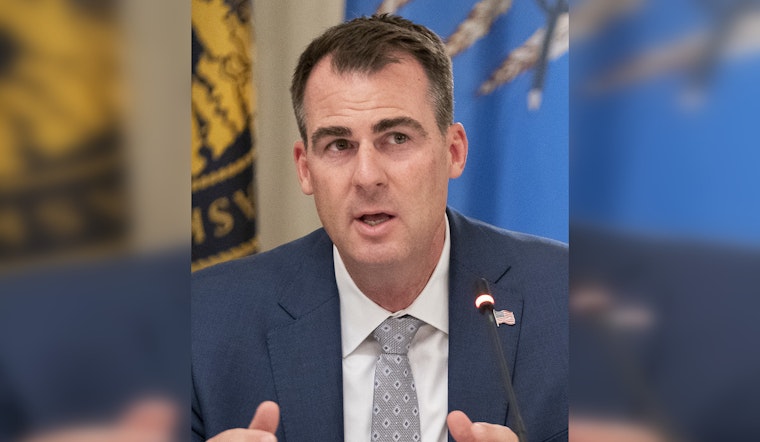
Gov. Kevin Stitt signed Senate Bill 346 this week, setting a new requirement that Oklahoma school districts contact a teacher’s previous employer and share disciplinary history and certain allegations before completing a hire. Supporters say the change is intended to stop educators with misconduct complaints from quietly moving between districts without their records following them. The enrolled bill lists July 1, 2026, as the formal effective date.
Signing And Immediate Reporting
As reported by KTUL, the measure was signed by Gov. Stitt this week and would require districts to reach out to prior employers before finalizing hires. KTUL also noted that the law includes language intended to protect districts from some legal exposure when they share disciplinary information.
What The Law Actually Requires
The enrolled bill text lays out several specific steps. Teachers must provide an affidavit attesting to allegations or investigations involving inappropriate conduct. Prospective employers must then contact prior employers to verify that affidavit, and a district is barred from hiring a full-time teacher who fails to provide the required paperwork. The measure creates a misdemeanor penalty for knowingly submitting a false affidavit and includes statutory language about liability protections for districts. As written in the enrolled bill, the measure “shall become effective July 1, 2026.”
Districts' Practical Concerns
District leaders told KOKH/OKCFOX that while they already try to verify applicants, the process can be inconsistent and the threat of lawsuits can chill frank sharing. Jay Loegering, Union Public Schools' HR director, told the station, “All employers have the opportunity to be sued by their previous employees” and described his district's reliance on background checks, references and drug testing when making offers.
Why This Matters In Oklahoma
Education advocates and officials say the law aims to close gaps exposed by past misconduct cases, while critics warn it could slow hiring in a state already stretched thin for teachers. Recent reporting shows Oklahoma has relied heavily on emergency and alternative certifications in recent years, producing thousands of temporary certificates as districts try to fill classrooms. That backdrop helps explain why some district leaders worry that an added step that pauses hires could complicate staffing in a market with persistent vacancies.
Legal Penalties And The Timeline
The enrolled bill makes knowingly filing a false affidavit a misdemeanor punishable by up to one year in jail, a fine up to $500, or both, and it explicitly bars districts from hiring a full-time teacher who fails to supply the required affidavit. The text also contains an emergency clause that would make the act effective upon passage and approval while still listing July 1, 2026, as the formal effective date, meaning some provisions could take effect immediately once the governor's signature is recorded.
The measure cleared both chambers with overwhelming support and was enrolled and sent to the governor in early May, according to the Oklahoma Legislature's bill page. Expect local districts and the State Department of Education to issue hiring guidance in the weeks ahead as schools work to balance the law's transparency goals with ongoing staffing needs.




