

























































The phrase "Category 6 hurricane" is not official, but it is suddenly everywhere, and in Florida that gets attention fast. A new scientific paper argues the Saffir–Simpson scale might need an extra tier because warming oceans are juicing the most powerful storms. For now, local forecasters say the rulebook is not changing, yet the debate is already shaping how coastal communities think about building, rebuilding and getting out of harm's way.
Scientists Propose A Category 6
In a paper published in the Proceedings of the National Academy of Sciences, researchers Michael Wehner and James Kossin sketch out a hypothetical Category 6 for tropical cyclones, with a cutoff around 192 mph to separate the truly extreme storms from the rest. The authors note that the current Saffir–Simpson scale defines Category 5 as storms with sustained winds of at least 157 mph, according to the National Hurricane Center.
They argue that leaving Category 5 open-ended can blur just how severe the very strongest systems have become, a point detailed in PNAS.
Some Recent Storms Would Already Qualify
Wehner and Kossin write that "a number of recent storms have already achieved this hypothetical category 6 intensity," and highlight five high-end systems since 2013 that would clear the proposed 192 mph threshold. Those include super-typhoons and Pacific hurricanes such as Haiyan (2013) and Patricia (2015), which they use as case studies for how the outer edge of storm intensity has shifted, per PNAS.
Where Forecasters Stand
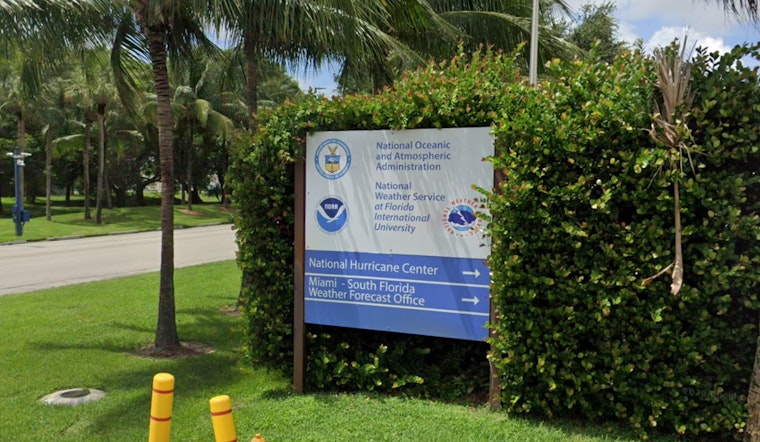
U.S. hurricane specialists are not racing to rewrite the scale. The National Hurricane Center's deputy director told CBS News that the agency would rather keep drilling into specific threats - storm surge, inland flooding, tornadoes - instead of adding another number to the scale that might confuse more than it clarifies.
Why Florida Should Pay Attention
That nuance matters a lot in Florida, where one storm can bring wind, surge and feet of rain all at once. As WPBF 25 News reported, the last two decades have seen a jump in the most intense hurricanes: the paper cites eighteen Category 5 storms between 2005 and 2025 and dozens more in the historical record. Hurricane Melissa in 2025, for example, reached sustained winds near 190 mph as it made catastrophic landfall in Jamaica, according to The Weather Channel.
The Communication Trade-Off
Not everyone is sold on tinkering with the categories. Critics point out that Category 5 already screams "catastrophic" to the public, and argue that sharpening messages about surge and rainfall could save more lives than inventing a Category 6. The deeper question is whether a new label would actually change behavior and policy or just generate hotter headlines, a tension explored by outlets including The Guardian.
What To Watch This Season
Whatever number ends up on the scale, the advice for Floridians stays pretty basic and pretty urgent: keep your hurricane plan updated, know your evacuation zone and route, and stock enough supplies to ride out disruptions. When a storm is brewing, follow official forecasts and local instructions - the National Hurricane Center posts real-time advisories and preparedness guidance tailored to coastal states like Florida.



