

























































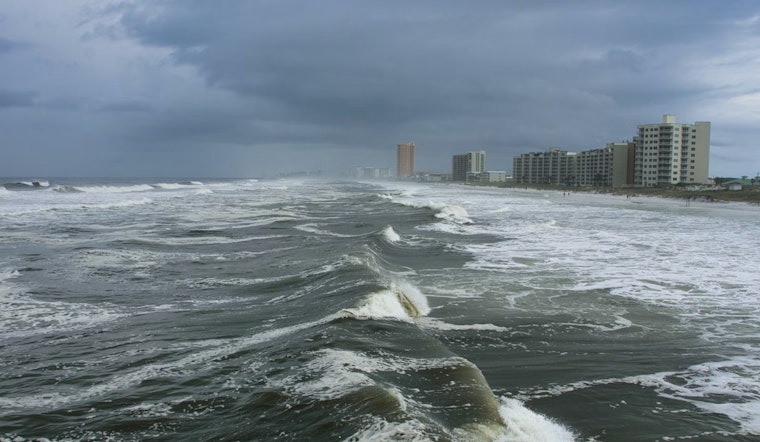
Florida, a place where hurricane prep is practically a seasonal sport, just landed a mid-pack 28th out of 50 states in a new national disaster preparedness ranking. The tech nonprofit behind the list gave the state top marks for planning on paper, but also called out serious gaps in emergency infrastructure and long-term resilience. The findings arrive less than a week before the Atlantic hurricane season begins, putting both individual and government readiness under a brighter spotlight than usual.
Study details
The study from the tech nonprofit SmileHub breaks Florida’s performance into three buckets and delivers a split verdict. Overall, Florida comes in 28th in the nation. The state ranks first in the country for Disaster Prevention Planning & Funding, yet falls to 48th for Resilience Infrastructure & Support Capacity and 47th for Disaster Risk & Lasting Damage, according to the report’s table. In other words, Florida scores well on plans and policies, but much lower when it comes to personnel, stations and other on-the-ground capacity.
Local reaction
Palm Beach County residents who spoke to local reporters did not exactly expect a middle-of-the-pack grade. As reported by WPTV, one resident said, "I would think Florida has to rank in the top 10 percent," while another laughed and responded, "Oh no, oh no, we gotta get better at that." The station notes that the study is landing just as officials and community groups ramp up outreach efforts ahead of June 1.
How the ranking was calculated
SmileHub compared all 50 states using 14 indicators, grouped into Resilience Infrastructure & Support Capacity, Disaster Prevention Planning & Funding and Disaster Risk & Lasting Damage. The indicators include emergency-management budget per capita, fire and police stations per capita, national guard members per capita and the tally of historical billion-dollar climate disasters. The methodology page outlines the weights for each metric and the data sources used to calculate state scores. Taken together, those choices help explain how Florida can lead the nation in planning while trailing near the bottom in measures tied to on-the-ground capacity.
Where the state invests
Florida’s official programs and building codes help clarify why it performs so well on prevention and planning. The state maintains statewide alert systems, evacuation planning and homeowner mitigation grants such as the My Safe Florida Home program, which is administered through state mitigation offices. The Florida Division of Emergency Management details those mitigation efforts and links to the My Safe Florida Home portal. At the same time, experts point out that long-term resilience hinges on more than grants and codes; it also depends on staffing levels, local fire and police stations and medical and mental-health capacity in the communities that bear the brunt of disasters.
Why it matters as hurricane season nears
The Atlantic hurricane season officially begins June 1, and federal forecasters have been repeating a familiar warning. The National Hurricane Center and NOAA continue to remind residents that a below-average forecast does not eliminate risk. Storms can form outside the official season dates, and a single landfalling hurricane can strain or overwhelm local systems. The SmileHub ranking, and the gap it highlights between strong planning and weaker capacity, suggests that both personal preparedness and sustained investment in local emergency infrastructure remain critical.
For now, the study serves as another data point while communities and officials rush to finish outreach efforts and last-minute repairs ahead of June 1. State emergency management had not responded to interview requests at the time of local reporting, as noted by WPTV. As residents in coastal and inland counties revisit their own plans, the report reinforces a blunt reality: written plans matter, but so do boots on the ground and local capacity when the storms finally arrive.



