

























































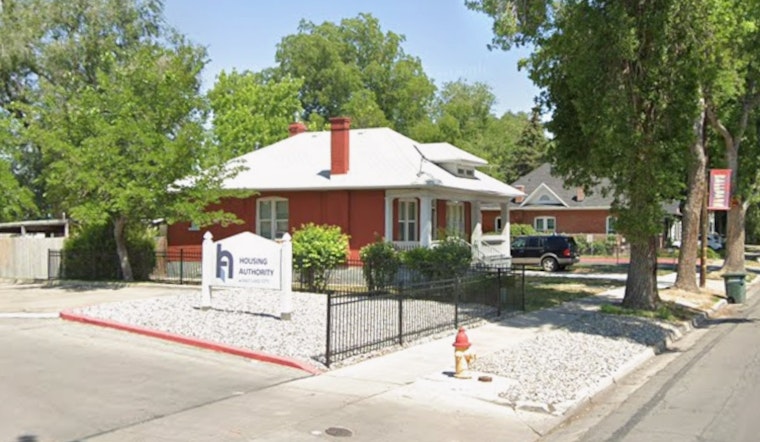
On Friday, shovels finally hit the dirt in Sugar House for Erma’s at Fairmont, a 110-unit affordable housing project named for longtime neighborhood fixture Erma Rosenhan. The new building is billed as a way to help lower-income seniors stay put in Sugar House even as new construction and rising rents push the neighborhood in a pricier direction.
Lincoln Avenue Communities and the Housing Authority of Salt Lake City are leading the roughly $53 million project, which will feature one- and two-bedroom apartments reserved for households earning between 20% and 80% of the area median income. Rents are expected to run from about $535 a month on the lowest end up to roughly $1,400 at the top tier, and developers say some of the deepest-affordability units will wrap in utilities. The project advanced after the Utah Housing Corporation set aside low-income housing tax credits and Salt Lake City donated the land, which developers estimated at $7 million in value, as reported by KSL.
For Rosenhan’s family members, watching the building take her name felt like a natural fit. Rosenhan, a lifelong Sugar House resident who died in 2020 and sang with the Tabernacle Choir, was remembered at the ceremony as someone who always put others first. “She cared more about people than she did about herself,” a relative said, and Housing Authority executive Daniel Nackerman described some of the apartments as “super affordable,” according to KSL.
Who The Building Will Serve
The 110 apartments will be split between one- and two-bedroom layouts and reserved for residents 62 and older. Most of the units will land in the 30% to 50% AMI bands, with a slice set aside at 20% AMI to reach seniors with the greatest need. That tiered setup is meant to catch a wide range of older adults who are getting squeezed in the rental market and cannot find stable, affordable housing in the city. The site sits across from Fairmont Park and within walking distance of the S-Line streetcar and other neighborhood services, an important perk for seniors who rely on nearby amenities. As outlined by Building Salt Lake, the deal stacks multiple affordability levels to stretch the impact for residents on fixed or tight incomes.
Funding And Construction
HASLC and its partners spent this year steering the project through a thicket of financial approvals. Utah public meeting notices show the authority ratified the choice of an equity provider and signed off on site work and demolition. Those records list Goldman Sachs as the equity provider and note authorization of demolition and a guaranteed maximum-price agreement with Pentalon Construction to prep and build the site, while tax-credit allocations from Utah Housing Corporation helped round out the financing. For the board actions and procurement details, see the authority’s filings on Utah.gov: Utah Public Notice. For broader low-income housing tax credit allocations, see Utah Housing Corporation.
The development team expects construction to wrap in 2027, which will put a modest dent in the long lines for subsidized housing, though it will not solve the county’s overall shortage. County HOME-ARP planning documents lay out just how steep the demand is: combined public-housing and Section 8 waiting lists for Salt Lake stretch into the thousands. That is why officials frame projects like Erma’s as urgent, even if each one is only a piece of a much bigger housing puzzle. For local waiting-list figures and context, see the HOME-ARP allocation plan from the U.S. Department of Housing and Urban Development.




