

























































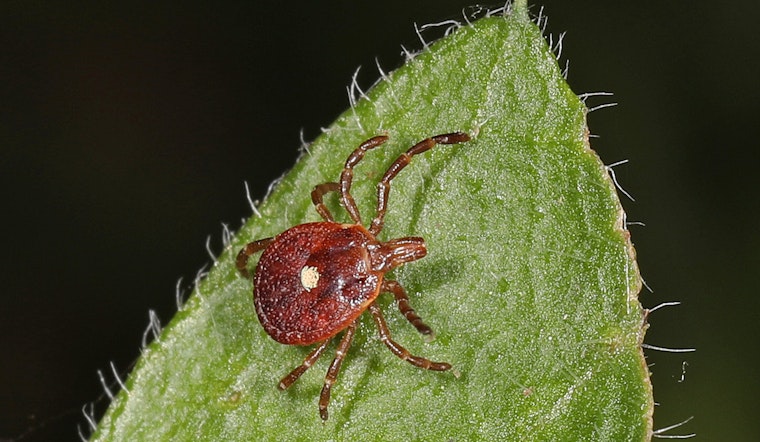
Oklahomans dealing with a strange tick-bite allergy to red meat are about to get more scrutiny from public health officials. Beginning November 1, 2026, doctors and laboratories will be required to report alpha-gal syndrome to the Oklahoma State Department of Health. Gov. Kevin Stitt signed the measure on May 6, 2026, making the red-meat allergy a formally reportable condition statewide.
What the law requires
Senate Bill 1644 directs the State Commissioner of Health to add “alpha-gal syndrome (AGS)” to the department’s list of reportable diseases and folds AGS into the existing reporting framework, according to the Oklahoma Legislature. The measure cleared both chambers and was transmitted to the governor after unanimous House support in late April.
How reporting will work
The enrolled bill says the Commissioner shall add AGS to the State Department of Health’s published list of reportable diseases and that occurrences will be reported by health care providers or clinical laboratories pursuant to rules promulgated by the Commissioner. LegiScan shows that the effective date is November 1, 2026, giving the department and labs several months to prepare.
Why surveillance matters
Public-health experts and patient groups say mandatory reporting will finally give officials a reliable way to count cases and map where AGS is occurring. From 2010 through 2022, federal investigators identified more than 110,000 suspected AGS cases and estimated that as many as 450,000 Americans might be affected, according to the CDC. Advocates argue that state-level reporting is the critical next step, according to the Alpha-gal Alliance Action Fund.
Lone star ticks and Oklahoma
AGS is most often linked to bites from the lone star tick, and researchers say ecological changes have helped that tick expand in parts of Oklahoma. Extension work and field studies at Oklahoma State University have documented rising lone star populations and tied tree encroachment and broader habitat change to higher tick abundance, which could help explain local case clusters, according to OSU Extension.
Patient advocates pushed the change
Dee Nash, a Guthrie gardener diagnosed in 2023, told reporters that earlier recognition might have prevented a lot of misery. “If I had known earlier, I probably wouldn’t have gotten it, and I wouldn’t have been sick so many times,” she said. Nash and other members of the Alpha-gal Alliance Action Fund lobbied lawmakers for the bill, arguing that better surveillance could unlock federal resources and guide prevention work, as reported by KOSU/Journal Record.
Legal implications for providers
The state reporting statute that SB 1644 amends already makes failure or refusal to report diseases a misdemeanor, and the enrolled bill brings AGS under that same framework, so clinicians and labs are on notice to review their obligations. LegiScan shows the statutory language and the requirement that OSDH publish the updated list.
What happens next
OSDH now has until the effective date to issue rules, reporting forms and guidance for county health departments, laboratories and clinicians. The department’s contact page lists the epidemiologist on call and the public-health laboratory for questions. Providers and commercial labs should expect technical guidance and submission instructions from the agency in the months ahead, according to the Oklahoma State Department of Health.
How Oklahomans can reduce risk
Because alpha-gal syndrome typically follows a tick bite, prevention remains the most practical defense: avoid brush and leaf litter, use EPA-registered repellents, treat clothing or gear with permethrin, check yourself and pets after being outdoors, and remove attached ticks promptly. The CDC and state extension offices offer step-by-step tips for landowners and outdoor workers preparing for tick season.





