

























































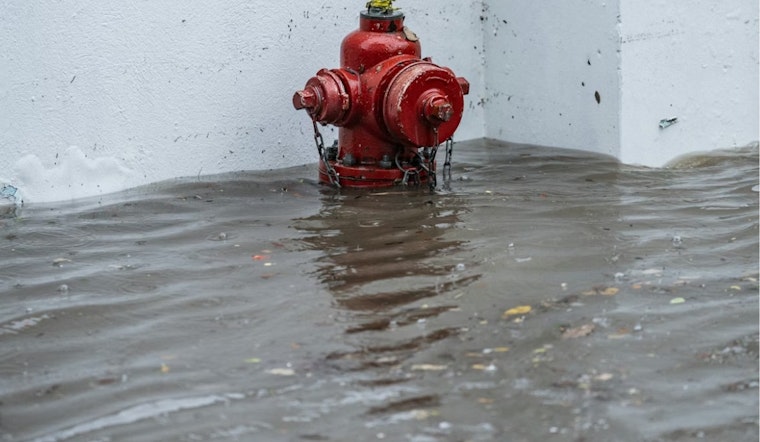
Thunderstorms unloaded on the hills above Weaverville last night, triggering a sudden flash flood warning for north-central Trinity County and turning quiet creeks into potential trouble spots in a matter of minutes.
Doppler radar picked up intense downpours roughly 17 miles north of town, with runoff racing into small creeks and low-lying areas. Campers, hikers and drivers were warned that normally dry channels and low-water crossings could flip from harmless to life-threatening faster than most folks can pack up a campsite.
What the NWS warned
According to the National Weather Service, the flash flood warning was issued at 6:52 PM and remained in effect until 9:45 PM. Forecasters said radar had already detected 0.5 to 1 inch of rain, with another 0.5 to 1 inch possible on top of that.
The concern was not just the rain itself but where it landed. The National Weather Service cautioned that flash flooding was expected in small creeks, streets, underpasses and other spots with poor drainage, the kinds of places that can surprise drivers and anyone out on foot after dark.
Local reporting and hazards
The Sacramento Bee amplified the advisory and highlighted National Weather Service warnings that heavy rain in steep country can trigger rockslides, mudslides and debris flows. Those risks spike near burned slopes and tight canyon drains, where loose soil and ash can move quickly once they get soaked.
Officials also urged people not to test their luck by driving across flooded roads and to look for alternate routes anytime water is flowing over the pavement.
How to stay safe
The National Weather Service puts it bluntly: as little as 6 inches of moving water can knock you off your feet, and 12 inches of rapidly flowing water can carry away most cars.
If you live in a flood-prone spot or are camped in low ground, the advice is to move to higher ground immediately, not after you wait and see. Avoid basements or any rooms where electrical outlets or wiring might be submerged. If you do get trapped by rising water, call 911 and get to the highest point you can safely reach.
Travel and recreation impacts
Low-water crossings in hilly terrain can turn treacherous during short but intense storms. The rule of thumb from emergency officials is simple: turn around rather than guessing how deep or fast the water is moving.
Residents and visitors are encouraged to monitor local alerts and forecasts and exercise caution as storms pass through the region. For official updates, follow the National Weather Service Eureka and Trinity County emergency channels.





