

























































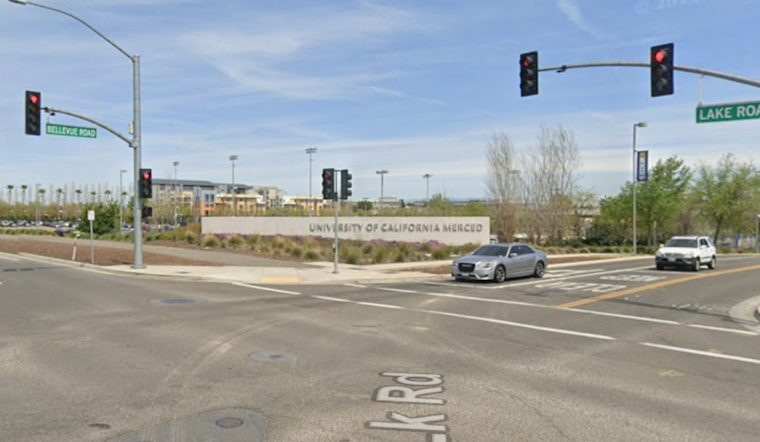
Public records and system logs show the University of California allowed campus license-plate reader data to be accessed by federal agencies, including U.S. Customs and Border Protection, raising pointed questions about whether the system is playing by California’s privacy rules. Student researchers and privacy advocates warn that the data-sharing could put undocumented students and other campus community members in the crosshairs.
As reported by The Daily Californian, documents obtained by a student-run group called the Ellis Collective list instances where campus plate reads were forwarded to entries labeled “CBP - NTC,” shorthand for Customs and Border Protection’s National Targeting Center. The reporting draws on vehicle-manager logs, vendor records and audit trails that advocates say reveal routine searches and cross-jurisdictional access to UC plate data.
What the records show
Records reviewed by local outlets indicate that data-sharing setups differ from campus to campus but share the same basic pattern: a campus police camera scans plates, and outside agencies can later query that data.
For example, the Merced Sun-Star reported that UC Merced’s police department shared automated license-plate reader, or ALPR, detection data with nine federal agencies, including the San Diego Sector Border Patrol, and with 187 out-of-state entities. Four cameras sit at the campus entrance, quietly logging who comes and goes. Audit logs also show that outside agencies ran searches of campus plate databases, sometimes in large batches.
How UC responded
UC officials say the ALPR systems exist to help recover stolen vehicles and investigate violent crime, not to fuel immigration enforcement. The university has said it is reviewing its policies and compliance around plate readers.
The Daily Californian reported that UC Berkeley has an agreement that gives the Northern California Regional Intelligence Center access to campus ALPR data, and that UC Irvine’s external audit logs show tens of thousands of searches of its ALPR database over the last year.
UC Berkeley communications official Dan Mogulof told reporters that campus police “do not permit data sharing for immigration enforcement” and said that granting an agency access does not enable that agency to share access to the UC Police Department’s network. The UC Office of the President did not respond to requests for comment on the apparent legal issues raised by the records.
Law and oversight
California law places tight limits on where ALPR data is allowed to go. Senate Bill 34, along with follow-up guidance, makes clear that public agencies may not sell or transfer ALPR information to private, out-of-state or federal entities.
The California Attorney General’s office has already shown it is willing to enforce those rules. It sued the city of El Cajon in October 2025 over similar sharing practices, according to the California Department of Justice. For the statutory language, see the SB 34 bill text on the state Legislature’s website.
Why privacy advocates are alarmed
Privacy advocates argue that the pattern of cross-jurisdictional access effectively pokes holes in California’s sanctuary and privacy protections, even if campus police insist they are not targeting immigration cases.
Mike Katz-Lacabe of Oakland Privacy told the Merced Sun-Star that the sharing “is very disturbing” for undocumented students. Wider reporting has shown that Border Patrol and CBP can use plate-reader networks to flag drivers for “suspicious” travel patterns, turning everyday commutes into potential intelligence leads. CalMatters has documented how federal permits and covert cameras extend the reach of those systems far beyond traditional border corridors.
Student researchers who made the UC records public say they relied on public-records requests to obtain the logs. At least one advocate has threatened legal action to force additional disclosures and independent audits.
With the Attorney General’s enforcement efforts, multiple local audits, and renewed scrutiny of commercial vendors already underway, the UC disclosures are likely to trigger even more review of how campuses configure and police their ALPR systems. For now, every time a plate gets scanned at a UC gate, the question hanging over it is who else might be looking.





