

























































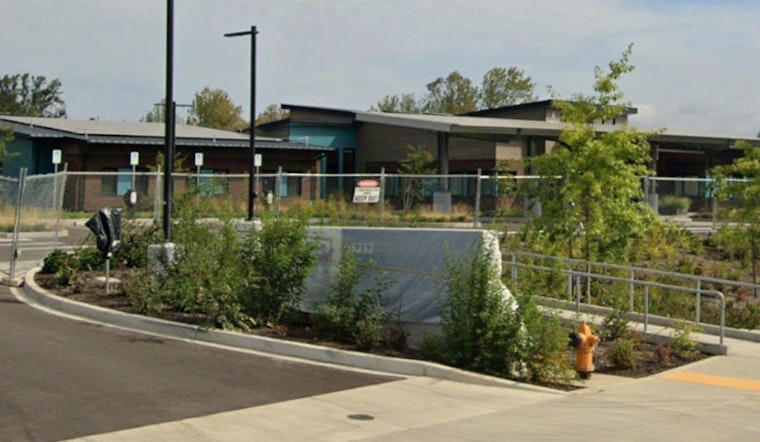
In Vancouver, parents and mental health advocates are turning up the heat on Gov. Bob Ferguson and state officials, asking a basic question about the Brockmann residential treatment campus: if it is finished and paid for, why is nobody inside?
The $42 million facility was built to serve people with severe mental illness. It is designed as three 16-bed units, enough space for up to 48 patients at a time. Instead, the campus is sitting in a paid "warm closure," with staff maintaining the buildings and grounds while the state has not provided money to operate it. Families argue that opening Brockmann could relieve pressure on crowded hospitals and jails and finally bring long term psychiatric care closer to home.
Family Advocates Press for a Timeline
The organizing push is coming from a parent founded group called "Let's Open Brockmann," which has been meeting since August to lobby lawmakers and the governor for staffing and programming dollars. As reported by The Seattle Times, advocates including Jerri Clark have been sharing personal stories, pointing to gaps in care, and asking for a clear schedule instead of vague promises. "We talk a lot about the cost of opening Brockmann, but not about the cost of not opening it," Clark told the paper.
What Brockmann Is and How It Is Being Preserved
The Washington State Department of Social and Health Services describes the Brockmann Campus as the Clark County Behavioral Health and Treatment Center, a three building residential site intended to provide secure, therapeutic care for civilly committed patients. According to DSHS, construction is complete and the state has the site in a "warm closure" status, meaning staff are paid to maintain the buildings and grounds but patients are not being admitted.
Agency materials say that once it opens, the campus is expected to offer intake and psychiatric screening, medical care and individualized discharge planning to support transitions back to the community.
How Funding Choices Left the Doors Closed
In the 2025 state operating budget, lawmakers cut operating funds for Brockmann and left only enough money to maintain the facility. That decision has stalled hiring and program development that would be needed before patients could be admitted.
Reporting by OPB notes that the project cost roughly $42 million and was essentially finished by the time the funding was pulled. Contractor Hoffman Construction lists the Clark County 48 bed behavioral health facility among its completed projects, a reminder that the buildings themselves are ready even while operations remain unfunded.
State Directives and a Fast Approaching Report
The same operating budget that trimmed operating dollars kept maintenance money in place and told agencies to study how the campus could be used. According to SB 5167, the department must submit findings and a prioritized list of recommendations to the governor and legislative fiscal committees by specific deadlines in 2026.
The budget text lays out the maintenance appropriations and reporting dates that will shape whether Brockmann can open at full capacity. DSHS has also started holding listening sessions to gather input from counties, providers and people with lived experience, the agency says.
Local Officials Press for Answers
Clark County leaders have formally urged the state to open the campus, arguing that the 48 beds would ease strain on Western State Hospital and local jails, according to Clark County. In their letter, the County Council asked DSHS to take every possible step to put the facility into service and laid out community concerns about long civil commitment waits.
A spokesperson for Gov. Ferguson's office cautioned that transferring ownership or changing the campus designation could affect the state's bed count obligations and might not actually speed up access to long term treatment, according to The Seattle Times.
What Opening Brockmann Could Change
Advocates say Brockmann's three 16 bed units are designed for people who are civilly committed on 90 to 180 day orders and would provide long term inpatient care along with wraparound services to support transitions back into the community.
Recent bill language and session documents focus on increasing community long term civil commitment capacity and lay out options, including public private partnerships, leases and direct state operations, to add those beds in places like Clark County. That same session text directs agencies to identify utilization options and capacity across the system.
Whether those policy tools turn into actual open beds at Brockmann depends on future funding choices and on how the state decides to fit the facility into the larger behavioral health network.
What to Watch Next
Under the operating budget language, DSHS is scheduled to deliver a report and prioritized recommendations to the governor and legislative fiscal committees this summer. Families involved with "Let's Open Brockmann" say they plan to keep pressing officials until there is a concrete plan and timeline for opening.
The upcoming agency report, along with any supplemental funding decisions, will determine whether the Brockmann campus stays in warm preservation or finally starts admitting patients.





