

























































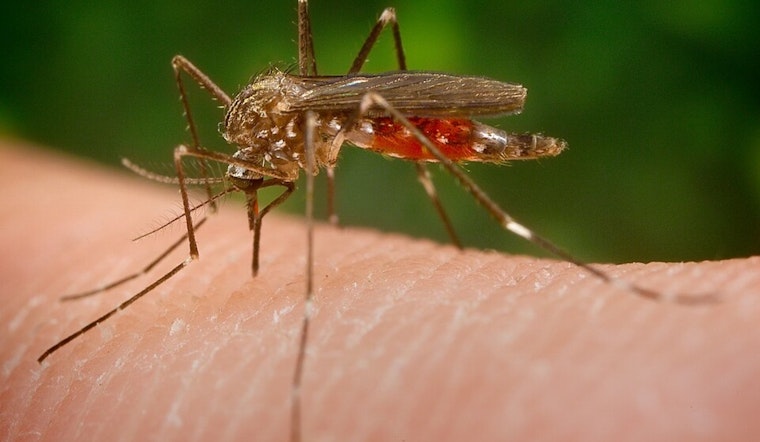
West Nile virus has officially joined the summer lineup in Mokena, after mosquitoes trapped in the village tested positive, Will County health officials announced Friday. It is the first confirmed batch of infected mosquitoes in Will County this season and arrives as other parts of Illinois also begin logging early activity. Residents are being urged to cut down on standing water, use insect repellent and flag problem spots for local authorities before the bugs get ahead of the season.
Will County confirmation
The Will County Health Department confirmed the positive trap result, a finding first reported by FOX 32 Chicago. According to that report, the mosquito sample was collected in Mokena and is the county's first detection of West Nile positive mosquitoes this year.
Where the virus has been found
Statewide surveillance shows West Nile is not just a Will County problem. Data from the Illinois Department of Public Health lists positive mosquito batches this season in Boone, Cook, DuPage, Madison, Peoria and Will counties. As of the May 21, 2026 update, the West Nile dashboard showed 20 positive mosquito batches and zero human cases. The dashboard is updated throughout mosquito season as new trap results and lab tests arrive from local health departments.
DuPage reports early positives
Neighboring DuPage County has already seen West Nile turn up in several suburbs. County health officials reported that mosquito pools collected May 12 in Roselle, Glendale Heights and Wheaton tested positive, and in response raised the county's Personal Protection Index to level 1. The index bump came with a familiar warning to “reduce, repel and report,” according to a DuPage County Health Department news release, which also noted that no human cases had been reported there at the time.
What health officials say about risk
Most people who are infected with West Nile virus never know it, since they do not develop symptoms, according to the Centers for Disease Control and Prevention. About one in five infected people will experience a fever or other flu-like illness, typically starting within a few days of being bitten by an infected mosquito. A small proportion, roughly one in 150 infected people, can develop severe neurologic disease such as meningitis or encephalitis, which in rare cases can lead to paralysis or death, according to the CDC.
How to protect yourself
Public health advice leans heavily on simple, repeatable habits. Residents are urged to empty containers that collect water at least once a week, use EPA-registered insect repellents, wear long sleeves and pants at dawn and dusk and repair window screens so mosquitoes stay outside. State guidance from the Illinois Department of Public Health also asks people to report persistent standing water, heavy mosquito activity or clusters of dead birds to their county health department so officials can investigate and, if needed, use larvicide or other control measures.
Anyone who develops fever, severe headache or confusion after recent mosquito exposure should contact a healthcare provider and mention possible West Nile virus exposure. For updated trap results and specific local recommendations, residents can check their county health department's website along with the Illinois Department of Public Health's West Nile dashboard.





