

























































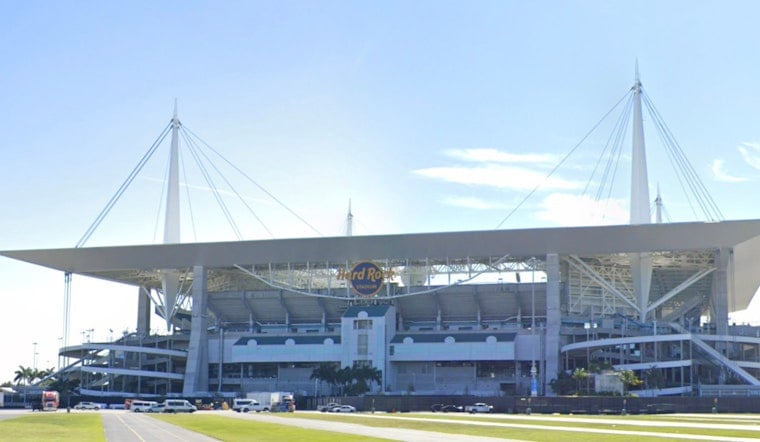
Miami’s World Cup is getting a security upgrade that feels ripped from a tech thriller. Organizers and private vendors have built a layered ring around stadiums and fan zones that leans on artificial intelligence, extended perimeters and dozens of specialized sensors. The goal officials keep stressing is straightforward: spot threats early so crowds can move safely and matches can go on without interruption.
AI at the center of stadium security
According to WPTV, Bob Odierna, co-founder of Pompano Beach-based IC Realtime, described a system that layers real-time facial detection, people-counting, license-plate readers, weapon detection and drone alerts to generate immediate warnings for security teams. Odierna told the station there are "several hundred" cameras inside the stadium and "several thousand" around the property, supplemented by mobile trailers and temporary units for large events. "Every camera becomes an eye," he said, explaining how AI shifts many alerts from after-the-fact review to real-time notification.
Drones, perimeters and counter-UAS
The FBI’s Miami field office has emphasized that stadiums and official fan sites are No Drone Zones and that Temporary Flight Restrictions will be actively enforced, with authorities authorized to detect, track and mitigate unauthorized drones, according to FBI Miami. Local outlets have published the specific match-day windows when the Hard Rock Stadium no-fly rules apply. At the technology level, federal partners and vendors say they are deploying radars and counter-UAS systems, including rapid-deploy 3D detection radars that feed into broader command networks, to give teams advance warning of aerial threats, per Robin Radar.
One command center, thousands of lenses
Those camera networks and sensors feed into a central command center that coordinates local, state and federal agencies alongside stadium security and private contractors, Odierna said in the WPTV interview. That shared picture, he added, helps teams identify "known bad actors" and flag potential weapons well before people reach metal detectors, giving officers time to respond. Organizers say the approach is meant to keep crowds moving while shrinking reaction windows for real threats, and it depends heavily on training, reliable systems and cross-agency communication.
Privacy and oversight
Civil-liberties groups warn that live facial recognition, broad license-plate surveillance and AI-generated alerts can create privacy, bias and transparency risks if not tightly governed, the ACLU has argued. The organization points to recent local examples where live-matching systems were deployed without clear public notice or guardrails and urges strict rules on data retention, access and independent audits. Advocates say public confidence will hinge on transparency about what data is kept, who can query it and how long footage is stored.
What fans should expect
Spectators should plan for expanded perimeters, stepped-up bag checks and strict no-drone rules during match windows; federal and local partners are urging fans not to bring drones to World Cup venues and to check Temporary Flight Restrictions ahead of any flight. The FAA explains the no-drone policy, penalties for violations and tools for checking active TFRs, and fans should monitor official event messaging for travel and screening updates. With AI and counter-UAS systems running in the background, the hope from organizers is a tournament that stays both festive and secure.





