

























































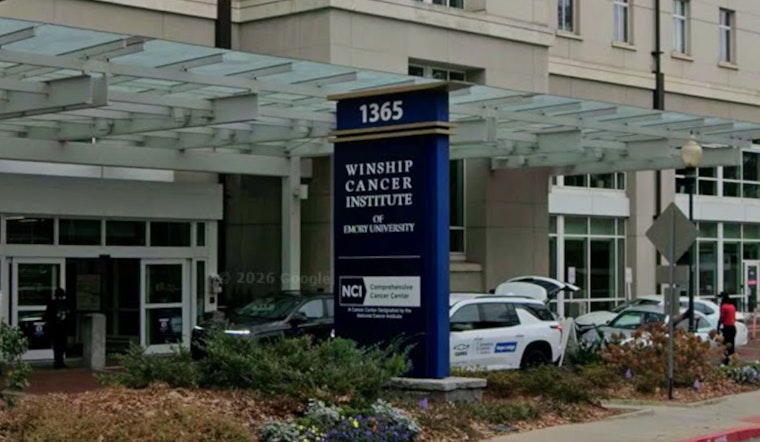
In a quiet corner of Emory University's Winship Cancer Institute, researchers are chasing a big goal: blasting childhood leukemia without putting young patients through the wringer of traditional chemotherapy.
The team reports that a new targeted therapy has shown encouraging results in early lab work. In mouse models, the experimental agent extended survival and appeared to avoid many of the collateral hits to healthy tissue that standard chemotherapy is known for. Lab leaders say the idea is simple to describe and hard to pull off: cure more kids and leave survivors with fewer lifelong scars from treatment.
As reported by CBS Atlanta, Dr. Waitman Aumann of Winship describes chemotherapy as a treatment that "destroys all rapidly dividing cells" and contrasts it with the lab's new agent, which he frames as a "lock-and-key" strategy that goes after the specific biology driving the leukemia. Undergraduate researcher Declan Foley, who is working in Aumann's lab on a St. Baldrick's Foundation Summer Fellows grant, told the outlet that this more precise approach could mean "fewer side effects such as muscle aches, nausea and losing your hair." The work is still in the preclinical stage, with the group hoping to reach phase 1 testing in the next few years if the data keep trending in the right direction.
How the therapy performed in mice
Conference materials flesh out the early evidence. A 2025 Blood/ASH abstract, listed on J-GLOBAL, by Aumann and colleagues reports that treating leukemia-bearing mice with an EYA2 inhibitor known as LG1-34 prolonged survival by about 10 days in transplant models and reduced leukemia-cell proliferation in vitro. Related abstracts in Pediatric Blood & Cancer describe complementary compounds that slow growth in CALM-AF10 and T-ALL models. Taken together, the researchers say, the findings support pushing this line of work toward human studies.
What targeted therapy could mean for survivors
Targeted drugs look for specific molecular weaknesses in cancer cells so they can hit the disease harder than the rest of the body - a particularly big deal for kids whose organs and bones are still developing. According to SEER data from the National Cancer Institute, the five-year relative survival rate for childhood leukemia is about 86.7%. That success, however, often comes with a long list of late effects from treatment, including issues with growth, fertility and other chronic health problems. The hope is that smarter, more focused therapies can keep the survival gains while dialing down those long-term costs.
For a broader overview of how targeted drugs stack up against traditional chemo in pediatric leukemia care, the American Cancer Society outlines current options and how they fit into treatment plans.
Next steps and local support
The Emory group says it needs more data on safety and dosing before bringing the therapy to patients, and that means more painstaking lab work before any child is enrolled in a trial. Researchers remain cautiously optimistic about starting a phase 1 study within a few years if future results stay consistent, according to CBS Atlanta. Winship already operates early-phase and translational studies and has the clinical infrastructure to support first-in-human research, based on its clinical trials listings.
Behind the scenes, early grants and fellowships - including support from organizations such as the St. Baldrick's Foundation - have helped keep the preclinical program moving. For now, the payoff is still on the horizon, but the Atlanta team is clearly betting that a more precise strike on leukemia could change what survival looks like for the next generation of kids who face the disease.





