

























































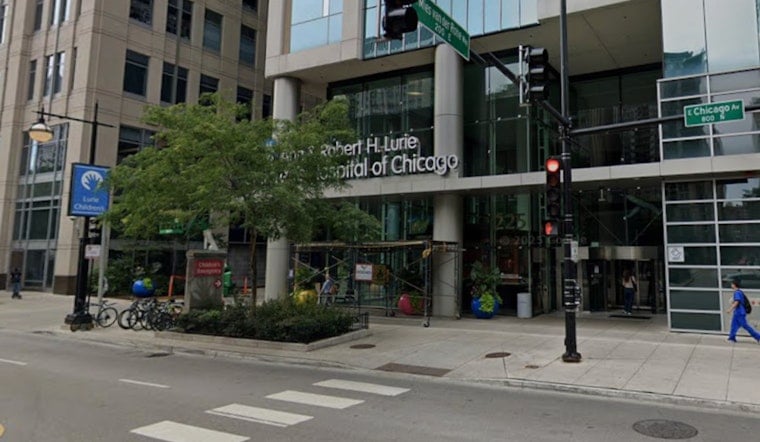
A long-empty lot in Austin is getting a serious glow-up: a new three-story health hub is rising on Chicago Avenue, set to open as the Austin HOPE Center and bring specialty pediatric and behavioral health care to the West Side. Inside roughly 25,000 square feet, project partners say the building will feature exam rooms, group-therapy space, a teen lounge, and community programming. Organizers expect to begin welcoming patients later this summer as construction wraps and tenants move in.
As reported by FOX 32 Chicago, Stone Community Development Corporation is co-developing the site with Chicago Neighborhood Initiatives and Ann & Robert H. Lurie Children’s Hospital, which will serve as the anchor clinical tenant. Lurie Children’s says the center will bring specialty clinics closer to West Side families who currently travel across the city for care, including services for asthma, sickle-cell disease, adolescent medicine and psychiatric treatment. Officials describe the project as a neighborhood hub designed to pair medical care with workforce and youth programming to tackle the upstream drivers of poor health.
What’s inside the HOPE Center
The nearly 25,000-square-foot, three-story building at 5044 W. Chicago Ave will house clinical space for Lurie Children’s, office space for Thresholds and community rooms managed by Stone CDC, according to Stone CDC. Financing for the development draws on New Markets Tax Credit allocations and philanthropic support, and commercial coverage of the beam-raising pegged the project cost at about $22 million, with industry reporting detailing those construction specifics. The development team says local Black-owned architects and contractors are leading design and construction and that the building will also include a Wintrust branch and spaces for after-school and workforce programs.
Why it matters
Austin has some of the widest life-expectancy gaps in Chicago, a disparity that public-health data and neighborhood reporting connect to concentrated poverty, higher rates of chronic disease and limited access to specialty care. Local coverage and developer statements highlight that gap as the driving force behind the HOPE Center’s mission, and community advocates say bringing specialty and behavioral services into the neighborhood could help cut down on preventable hospitalizations over time, according to Citizen Newspaper Group. Public-health research that draws on the Chicago Health Atlas points to how multiple social factors, including low birth weight, unemployment and community violence, converge to depress life expectancy in West Side communities, underscoring why partners framed the project as a health-equity intervention, per Health Affairs Scholar.
Jobs, construction and next steps
The project marked a major construction milestone with a beam-raising event last fall, and organizers have hosted recruitment and job-readiness events this spring, according to local reporting and project pages. Lurie Children’s has posted openings ranging from medical assistants to imaging technicians, and Stone CDC says subcontractor and hiring fairs will prioritize local contractors and residents. Organizers expect construction to finish and tenant services to ramp up through the summer and into the fall, with additional community programming to be announced as opening day gets closer.
“The HOPE Center will be a promise kept to the Austin community,” Pastor Contrell Jenkins said at a public milestone event, while Dr. Tom Shanley of Lurie Children’s described the project as an investment in health equity that organizers hope will shift health outcomes across generations, local coverage shows. Developers say they will release details on patient access, clinic schedules and community programs as the center nears its official opening.




