

























































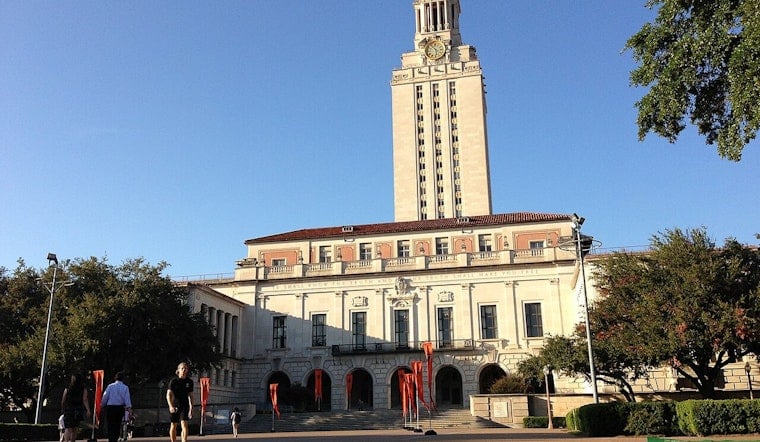
Researchers at The University of Texas at Austin and UT MD Anderson are joining forces to pull cancer tech out of the lab and into exam rooms faster, pairing engineering, artificial intelligence and clinical expertise in one cross-campus push. The partnership is backing five ambitious projects that range from protein-informed AI systems to robot-assisted surgery, all with a singular goal: shrink the gap between discovery and treatment so Texans see the benefits sooner rather than years down the line.
Collaborative accelerator seeds five projects
The Collaborative Accelerator for Transformative Research Endeavors, first announced in 2025, is putting multi-year support behind five multidisciplinary teams that are taking on high-risk, high-reward oncology ideas. The effort includes seed awards of up to $4 million over 4.5 years and is designed to set teams up for follow-on funding after 2029, according to UT MD Anderson. The initial slate covers studies of microplastics and cancer, metal-ion therapies to tackle radiation resistance, engineered protein drugs for aggressive breast cancers, personalized robotic-assisted surgery for spine and pelvic tumors, and an AI platform that can surface precision treatment options when a patient’s genes do not point to an obvious target.
Robotics for spine and pelvic tumors
One of those seed projects, IG-RABIT (Image-Guided, Robot-Assisted, Biomechanically-Informed Osteotomy and Surgical Implants for Orthopaedic Oncology), aims to blend computational modeling, patient-specific biomaterials and a steerable robotic arm to place implants in the spine and pelvis with submillimeter accuracy. The team, which brings together engineers from Texas Robotics and surgeons from MD Anderson, plans to run the integrated setup through preclinical testing before pushing toward clinical use, according to Texas Research. If it works as hoped, the approach could cut down on operative trauma and help implants last longer for patients facing complicated reconstructions.
AI and proteins when DNA comes up empty
Another project, called PODS-PACK, is building a protein-informed decision system that layers proteomic, genetic and clinical data to suggest options for patients whose tumors do not carry actionable DNA mutations. The idea is to treat proteins as a deeper map of what the cancer is actually doing. "We want to be able to go deeper with proteins to lead us to new hypotheses and drug discovery," Jeanne Kowalski-Muegge said, as reported by The University of Texas at Austin. The team intends to fuse institutional imaging and clinical records with AI tools and digital twins to surface promising, and sometimes overlooked, treatment pathways.
Why this matters for Texas patients
The American Cancer Society projects about 161,330 new cancer cases in Texas in 2026, a record-high estimate that health leaders say only sharpens the need for faster, scalable breakthroughs, according to the American Cancer Society. Organizers say the cross-disciplinary accelerator is built to trim the time it takes to move promising work from the bench to the bedside and to expand advanced options across the state, per UT MD Anderson.
What's next
More than 50 researchers are already spread across the five teams, and project leaders say they will lean on digital simulations, biomechanical testing and preclinical models to fine-tune their workflows before stepping into trials and chasing larger outside grants. "The complexities of cancer don’t respect the boundaries between buildings and disciplines, and neither can we," Claudia Lucchinetti said, as reported by The University of Texas at Austin. If early lab results hold up, the partners say they will move toward pilot clinical studies and new partnerships to help scale any approaches that prove successful.





