

























































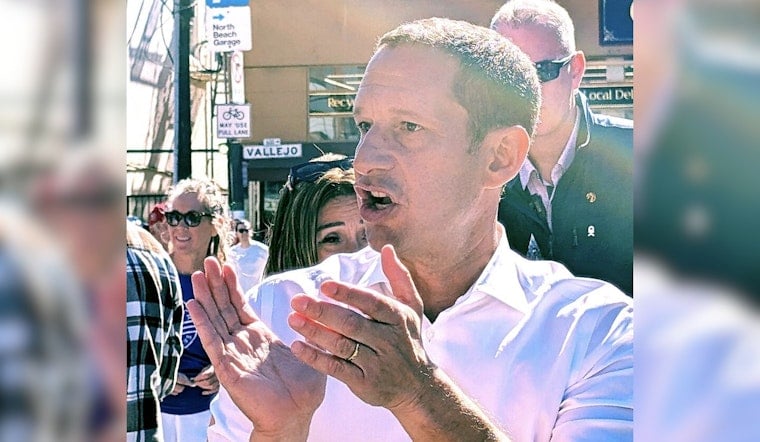
San Francisco’s Sunshine Ordinance Task Force has ruled that Mayor Daniel Lurie’s office violated the city’s public records law by withholding text messages with a Pacific Gas & Electric executive during December’s massive blackout, and it ordered the mayor to turn over his full late December correspondence. The action, an 8-1 vote by the task force, stems from a complaint seeking the complete text thread, including an update on the War Memorial Opera House during the outage.
Task Force Orders Full December Thread
The complaint was filed by reporters at The San Francisco Standard, who asked the task force to compel production of messages between Lurie and Jake Zigelman, PG&E’s Bay Area vice president, from Dec. 20 to 21. The panel concluded that the mayor’s office had not adequately explained why some records were withheld and directed the office to produce the entire late December exchange, according to The San Francisco Standard.
Members Voice Skepticism
During Wednesday’s hearing, task force members sharply questioned the mayor’s representatives. Ankita Mukhopadhyay Kumar said, “They’re deliberately hiding something,” while David Pilpel warned that the city runs a great risk of exposure to litigation if the fight over records is not resolved cooperatively. The panel also found that the mayor’s office failed to provide a representative who could clearly explain the legal basis for withholding the messages, according to The San Francisco Standard.
Why The Opera House Update Matters
At the heart of the complaint is an iMessage from Zigelman that starts with Opera house update and reports that crews were on site, that the venue have enough natural light and emergency backup power for a 2 PM matinee, and that a vendor had been mobilized for the 7 PM show. A screenshot of that exchange is included in the complaint filed with the task force, according to Sunshine Ordinance Task Force documents. The episode drew wider attention after PG&E CEO Sumeet Singh told supervisors that the mayor had asked the utility to prioritize the War Memorial Opera House, then later described that account as a misunderstanding, which intensified calls for release of the full thread, according to 48hills.
Legal Implications
Under California law, communications about public business can be subject to disclosure even when they are sent on private devices, a rule clarified by the state Supreme Court in 2017 in City of San José v. Superior Court (Ted Smith). San Francisco’s Sunshine Ordinance Task Force can find that a public records violation has occurred and can refer especially serious matters to the city’s Ethics Commission, but it cannot issue a court-level order requiring production. That gap means this clash over texts could move on to the Ethics Commission or into litigation, as Mission Local has reported.
What Comes Next
The mayor’s office, represented at the hearing by legislative and ethics secretary Dexter Darmali, has maintained that it already turned over all responsive documents and argued that some messages fell outside the scope of The Standard’s requests. Spokesperson Charles Lutvak declined to say whether the office will release additional records following the task force ruling. The complaint packet and task force materials setting out the order to produce the full Dec. 20 to 21 thread are publicly available in the body’s filings, according to Sunshine Ordinance Task Force documents.





