

























































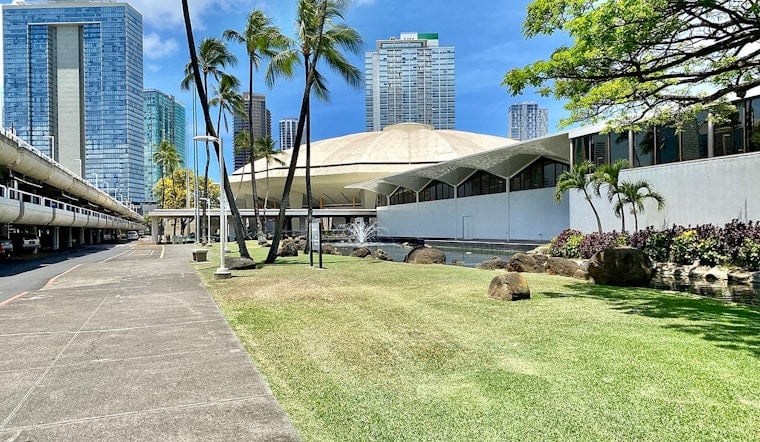
Honolulu’s latest circus drama is not in the ring, it is in court. Showmakers Inc., a touring circus promoter, has sued the City and County of Honolulu, claiming that ticketing failures at the Neal S. Blaisdell Arena wiped out roughly $1 million in revenue. The complaint says the problems began during a three-day engagement that started on or about Feb. 27, 2025, and that software glitches and box-office errors repeatedly cut off sales. The suit names city officials and pulls Ticketmaster into the case as a third-party defendant.
In a complaint filed in January, the promoter says the city required exclusive use of Ticketmaster at Blaisdell shows and that message errors, including customers seeing that the event had "already happened" or that "ticket sales have stopped," shut down sales during the run, according to Honolulu Star-Advertiser. The filing seeks compensatory and punitive damages as well as attorneys' fees and court costs, and asserts causes of action that include negligence, misrepresentation, interference with prospective economic advantage, breach of contract and breach of the implied covenant of good faith and fair dealing. The paper also reports that court calendars list settlement conferences and related proceedings scheduled through the summer of 2026 and beyond.
Producer Says Sales Were "Handled in a Disastrous Manner"
Eric Seitz, the promoter's attorney, told the paper that "the ticket sales were handled in a disastrous manner," a blunt assessment that is quoted in the complaint, which asks the court to make the city pay for the revenue it says was lost. The complaint specifically names Dita Holifield among the defendants and again seeks both compensatory and punitive damages. Showmakers also brought Ticketmaster LLC into the case as a third-party defendant to sort out whether platform failures or venue contracting are to blame, according to Honolulu Star-Advertiser.
Blaisdell's Ticketing Record
The Blaisdell has already been a flashpoint for ticketing complaints. A city audit and prior local reporting found that a large share of seats were often reserved for holdbacks and presales, shrinking what was available to the general public. A 2020 audit concluded that box-office procedures hindered local residents' ability to buy tickets, according to Hawaii News Now. That history helps explain why a promoter's claim of a technical meltdown at Blaisdell moved so quickly into legal territory.
Ticketing Giants Under National Scrutiny
The Honolulu dispute arrives at a rough moment for Ticketmaster and Live Nation, which are facing high-profile federal scrutiny over resale and fee practices. The Federal Trade Commission and seven states have alleged the companies reaped about $3.7 billion in resale fees between 2019 and 2024, and Reuters has detailed the FTC's claims and the broader litigation that has put the company in court across multiple venues. That national spotlight raises the stakes for any local case that touches a dominant ticketing platform.
What Happens Next
With settlement conferences already on the calendar and discovery likely to follow, the litigation will test whether the city's contracting choices, the ticketing platform's performance, or both are legally responsible for the lost sales. The city has declined to elaborate while the matter is pending in court, and the case is expected to turn on documentary evidence about how sales were routed, held and released during the engagement. Lawyers for both sides are likely to press for documents and testimony that show who controlled inventory and how error messages were handled in real time.
Legal Note
The complaint mixes contract and tort claims that, if proven, could expose the city to monetary damages and prompt changes to how the Blaisdell and other municipal venues handle exclusive ticketing agreements. If the court finds the platform at fault, the decision could also strengthen other promoters' claims when primary-sale systems fail.





