

























































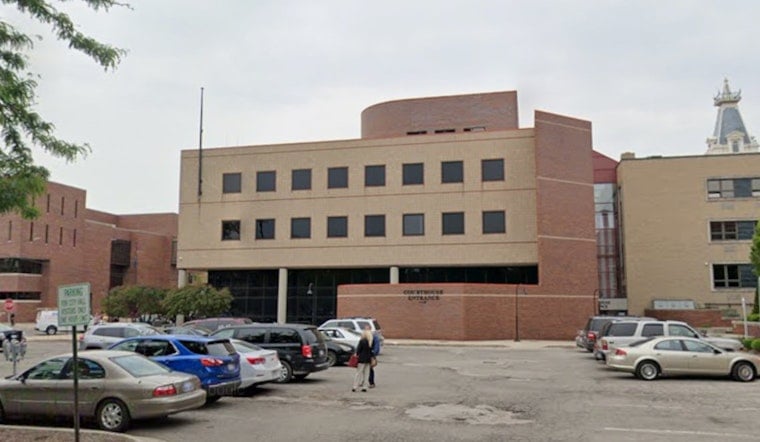
Bloomington’s tug-of-war over who controls space inside the city-owned Showers West building is now playing out on two fronts: in mediation rooms and, soon enough, in the appellate courts. Yesterday, the city’s redevelopment commission authorized its president, or a designee, to negotiate settlements in two lease disputes as the city prepares to appeal a county judge’s ruling that favored the tenants. At the heart of the fight is a clash between bond conditions that tie the building to public-safety uses and the day-to-day reality of private tenants still operating in a property the city now owns.
RDC Vote Clears Path To Mediation
On a 4-0 vote with one abstention, commissioners empowered President Deborah Myerson, or her designee, to settle lawsuits involving Warrant Technologies LLC and the Bloomington Board of Realtors. Commissioner John West recused himself because he is a member of the Board of Realtors, and Assistant City Attorney Dana Kerr told the commission that mediation sessions in both cases are set for June 29. The city has already filed notices that it intends to appeal after losing at the trial level, and the mediations could resolve the disputes even as those appeals move forward, according to The B Square Bulletin.
Judge Knocks Down Inverse-Condemnation Argument
On March 31, Monroe County Circuit Court Judge Kara Krothe granted summary judgment to both tenants, rejecting the RDC’s attempt to use an inverse-condemnation theory to end the leases without a proper eminent-domain case. In her written order, Krothe emphasized that when the RDC bought the property it stepped into the existing lease agreements and that the tenants’ contract rights did not just evaporate. “BBOR Technologies LLC is entitled to remain at the leased premises pursuant to the Lease until properly condemned or until the lease expires,” the order states. The ruling is detailed in the official Monroe Circuit Court order.
Why The Legal Fight Matters
The RDC had argued that its purchase of Showers West, combined with its plan to put the building to public use, amounted to an inverse taking that automatically wiped out the private leases. Krothe rejected that move, pointing to Indiana law that limits a redevelopment commission’s ability to condemn property on its own. Because of that statutory limit, the RDC would need the city council to authorize use of the city’s eminent-domain power before treating those leases as terminated, a technical but decisive requirement in her analysis. Local reporting has also noted that the dispute is intertwined with bond-financing conditions and that the Bloomington Fire Department has already moved some administrative functions into Showers West. Indiana Public Media has outlined the ruling and its statutory reasoning.
Money, Bonds And The Building
The city signed off on purchasing Showers West in January 2023. City budget documents list the agreed price at $8.75 million and tie the deal to a 2022 bond appropriation that also funded other public-safety projects. Materials prepared for the city council explain that the December 2022 bond sale and the January 2023 appropriation were designed to pay for renovations at Showers West as part of a broader package of public-safety capital investments. Those official packets, which spell out the purchase price and planned uses, are part of the public record, including the City of Bloomington meeting packet.
What Comes Next
The city has filed notices that it intends to appeal the trial court rulings, and Monday’s RDC vote formally named who can represent the commission in the June 29 mediation sessions. Not every tenant has opted for a courtroom fight: CASA agreed to vacate Showers West in return for a payment of $45,751 and two parking passes for a year, while the disputes involving Warrant Technologies and the Board of Realtors have stayed on a more contentious track. As of the RDC meeting, notices of appeal were on file but no substantive appellate briefs had been submitted. According to The B Square Bulletin, the mediation has the potential to settle the cases even as the appeals move ahead.
Legal Implications
If an appellate court upholds Krothe’s ruling, it would limit how redevelopment commissions around Indiana use property purchased with public-safety bond money and curb the RDC’s ability to reconfigure leased space without going through formal condemnation procedures. If the decision is reversed, municipal RDCs could gain a more powerful tool to clear private tenants from bond-funded property, a shift that could influence how cities manage redevelopment projects statewide. The trial court’s reasoning and its focus on statutory limits are spelled out in the Monroe Circuit Court order.



