

























































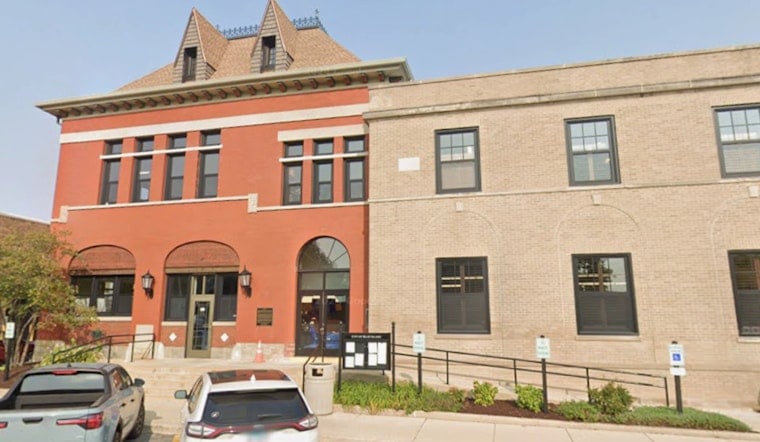
Blue Island is telling federal immigration officers to keep off its turf.
The City Council on Tuesday approved an ordinance that bars civil immigration enforcement from using city-owned property as staging or processing sites. That means municipal parks, parking lots and public buildings are off-limits for detaining or processing people during Immigration and Customs Enforcement operations, a move organizers say offers immediate protections for immigrant neighbors.
What the ordinance does
Under the new rule, city officials say city-owned property will not be used to support federal civil immigration enforcement activities. Blue Island police will remain focused on preventing crime, responding to emergencies and enforcing state and local laws, not federal immigration enforcement. As reported by the Chicago Tribune, the council framed the measure as a way to keep municipal resources dedicated to local services instead of federal operations.
Local reaction
Advocates and organizers quickly hailed the vote as a practical shield for everyday city sites, from Little League diamonds to library parking lots. Ana Guajardo, executive director of the United Workers Center, told the Chicago Tribune, "it's not over, it's not over," a pointed reference to a broader enforcement campaign earlier this year. Local nonprofit owner Pablo Padilla led the push for the ordinance at City Hall, pressing officials to draw a clear line around city property.
How it fits a growing trend
Blue Island joins a growing number of local governments that have moved to limit how federal immigration agents may use municipal property. Nearby suburbs and other cities have adopted similar rules in recent months; see Naperville's Line in the Sand and Tacoma Boots ICE From City Turf for recent examples of the same playbook.
Why now
The ordinance comes as communities are still dealing with fallout from "Operation Midway Blitz" and other enforcement actions that ratcheted up tensions this spring. A state accountability panel documented allegations of excessive force and other troubling tactics during that campaign, a development that municipal leaders and advocates say helped prompt the local measure. The Illinois Accountability Commission released its final report in April.
Legal implications
Local ordinances that bar the use of city property for civil immigration enforcement do not stop federal officers from making lawful arrests in public places. They can, however, restrict municipal cooperation so that city facilities, staff and equipment are not leveraged for enforcement absent judicial process. Municipal guidance from other cities explains how that plays out on the ground, and statewide advocates note there are still legal gray areas to be clarified. For examples of how jurisdictions draw those lines, see the City of Santa Clara and resources from the Illinois Coalition for Immigrant and Refugee Rights.
Know your rights and where to get help
Blue Island officials and community groups are urging residents to know their rights and prepare a plan in case of enforcement activity. Organizations cited by local leaders as resources include the United Workers Center, the Illinois Coalition for Immigrant and Refugee Rights, the National Immigrant Justice Center and the Resurrection Project. Contact information and rapid-response groups can help connect family members with lawyers and volunteers. See public listings for the United Workers Center, the National Immigrant Justice Center and the Resurrection Project for basic contact information.
City leaders say the ordinance is meant to protect municipal services and give residents clearer rules about what local officials will and will not do during federal immigration actions. Any legal tests and day-to-day adjustments will likely play out in the weeks ahead as officials and advocates keep an eye on enforcement in the Chicago south suburbs.





