

























































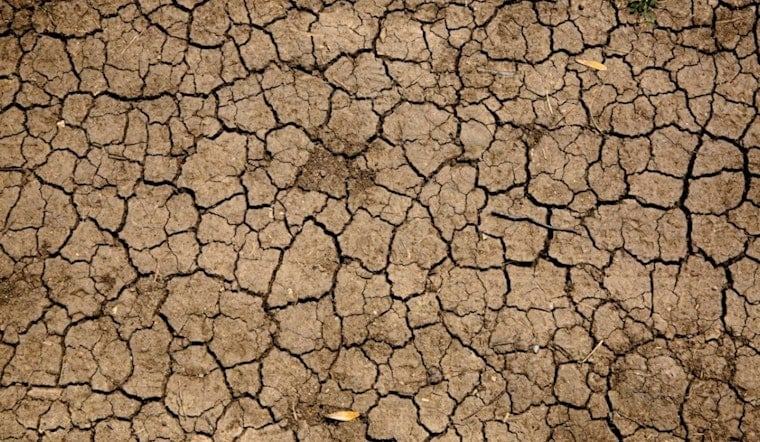
The Navajo Nation has declared a state of emergency after a punishing drought left wells, windmills and stock ponds running dangerously low across the reservation. The move follows a unanimous vote by the Nation’s Commission on Emergency Management and a signature from President Buu Nygren in early June, unlocking tribal emergency resources and opening the door for outside help as ranchers and families scramble to stretch what water is left.
How The Declaration Was Activated
The Commission advanced the declaration on June 9 and President Nygren signed it June 10, making the emergency effective immediately, according to the Navajo Nation Office of the President. The resolution rescinds last year’s drought declaration and directs Navajo divisions, departments and the 110 chapters to coordinate mitigation, resource distribution and emergency water deliveries; the change was first flagged in earlier drought action. The press release notes that thousands of stock ponds and hundreds of windmills have lost capacity, intensifying shortages for both people and livestock.
Funding And Mitigation Priorities
Leaders recommended tapping roughly $6.5 million from the tribe’s Agricultural Infrastructure Fund to pay for urgent fixes and related water projects, including windmill repairs and livestock water storage, Gallup Sun reported. Navajo officials told Arizona's Family that some wells are already dry and that families are driving longer distances to haul potable water. The declaration authorizes chapters to use emergency funds for water hauling and storage while the Nation seeks outside technical and financial assistance.
Why Now: Record Heat And Shrinking Supplies
Federal climate data show the declaration arrived amid an unusually warm, dry stretch for the region: the January–March 2026 period ranked among the hottest and driest on record for Arizona, worsening snowpack and runoff that normally recharge reservoirs and wells, according to NOAA and U.S. Drought Monitor assessments. Current drought maps show large swaths of the Southwest in extreme to exceptional drought, a pattern officials say is putting rangelands and water infrastructure at risk. Those conditions are driving up water insecurity for residents and raising wildfire risk across the region.
On-The-Ground Impacts For Families And Ranchers
Residents in communities along the Utah and Arizona edges of the reservation report hauling water long distances to fill tanks, and at least one school temporarily closed after its supply failed, local reporting shows. Coverage by the Navajo Times notes that many chapters have lived with limited running water for years and that the current shortages are compounding longstanding infrastructure gaps. Tribal leaders say the emergency funding is intended to buy time for producers and families while longer-term water-rights and infrastructure solutions are pursued.
Next Steps And Federal Coordination
The declaration notes that the U.S. Department of Agriculture has designated counties that overlap the Nation as drought disaster areas, a move that can open federal aid for producers, and urges coordination with federal, state and tribal partners for relief, the Nation’s press office said. The Commission has requested updates to the Nation’s Hazard Mitigation and Drought Contingency plans and recommended that the Division of Natural Resources prioritize procurement and implementation of drought projects. The state of emergency will remain in effect until it is rescinded or superseded by future action.
Where Residents Can Seek Help
Chapters are being directed to organize local response, and residents are being advised to contact their chapter houses for assistance or to apply for relief through local water programs, according to Arizona's Family. Chapter announcements and the Nation’s official channels will carry updates on water-hauling schedules, storage assistance and other emergency resources as they become available.





