

























































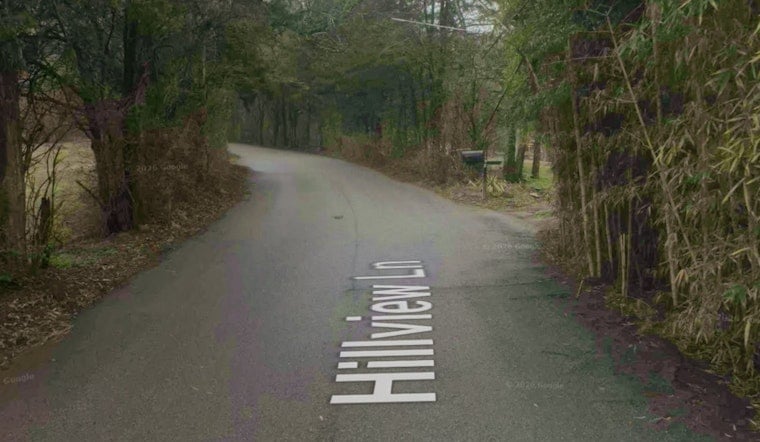
Boyle Investment Company has officially closed on roughly 311 acres at Franklin’s southern edge, clearing the way for Harlin, a village-style mixed-use neighborhood planned for the valley below Winstead Hill. The deal follows a long and often tense public review in which neighbors rallied to protect Hillview Lane’s centuries-old tree tunnel and pushed hard for stricter traffic safeguards. With the city board now on record in support, the focus shifts to how the project rolls out, when the roadwork really happens, and whether county and state sign-offs will match what residents were promised.
What Boyle Bought
Boyle’s purchase covers the entire 311-acre Harlin site, where the developer is planning more than 200 homes along with a hotel and retail space as part of the mixed-use buildout. Details on the sale and project scale were first reported by the Nashville Business Journal.
The Project Vision
On its project website, Harlin is pitched under Franklin’s Village Green standard, which calls for about 70% usable open space and a walkable hamlet with a mix of housing types. Plans highlight roughly 6.5 miles of trails and a boutique inn tucked into preserved hillsides. Boyle says the buildout will be phased so that major infrastructure work, from Coleman's Road intersection improvements to Mack Hatcher Parkway upgrades, is tied to construction milestones. That framework is laid out on Harlin Development.
Neighbors And The Vote
Dozens of nearby residents urged the Board of Mayor and Aldermen to shut the project down, warning that additional traffic and construction activity could damage the area’s rural character and threaten the Hillview Lane tree tunnel. “This place is a gem. I don’t wanna see it ruined,” one resident told officials during public comment. Despite the opposition, aldermen approved both annexation and the development plan in split votes. The testimony and the site’s address at 1247 Hillview Lane were captured in coverage by NewsChannel 5.
Conditions, Caps And Roadwork
City leaders attached specific conditions aimed at softening the immediate impact. Phase 1 is capped at 150 residential units, and Phase 2 cannot begin until a northern road connection is secured. Boyle also agreed to put millions toward off-site road improvements. City staff and aldermen linked certain building permits to intersection work and Mack Hatcher upgrades, with some of that construction not expected until closer to the end of the decade. Those votes, the Phase 1 cap and the tentative roadwork schedule are summarized in a public meeting recap, as outlined by Bill Petty.
Boyle’s Pitch
Boyle leans heavily on its local resume, citing projects such as Berry Farms and Meridian Cool Springs, and is framing Harlin as a preservation-first plan that clusters homes, keeps hillsides intact and limits direct traffic on Hillview Lane. The company argues that the Village Green layout and phased triggers will give Franklin time to complete key intersections and blunt early traffic impacts. Background on the firm and its Nashville-area team is available from Boyle Investment Company.
What Comes Next
Even with city approval secured, several pieces are still in motion. County highway officials and other agencies must sign off on certain access points and road projects, and interlocal agreements will help determine how and when those upgrades occur. Opponents say they will keep a close eye on land closings and construction triggers. Supporters counter that the conditions give Franklin enforceable guardrails while still allowing the development to move ahead in stages. The remaining contingencies and the roughly end-of-decade roadwork timeline are tracked in local meeting recaps and government documents, as noted by Bill Petty.




