

























































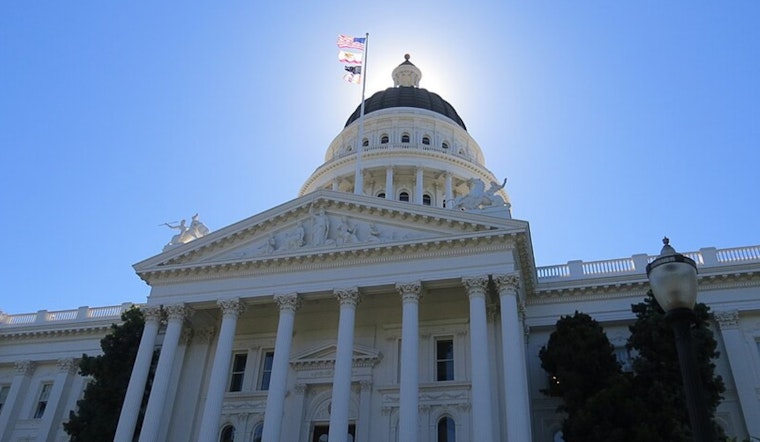
California’s wine world is in a full-on family squabble, and it is playing out under the Capitol dome. Grape growers, small family wineries and the state’s biggest producers are clashing over what the word “American” should mean on a wine label, with Assembly Bill 1585 at the center of a high-stakes fight over imports, pricing and growers’ livelihoods.
What’s AB 1585?
AB 1585 would bar any wine produced, bottled or sold in California from using the appellation “American” or “United States” on the label unless 100 percent of the wine comes from grapes or other agricultural products grown in the United States. The rule would apply to wines bottled on or after July 1, 2027, and it would let the Department of Alcoholic Beverage Control seize any product that violates the standard. Those details are laid out in the bill text, according to California Legislative Information.
Who’s backing the change?
The proposal is co-sponsored by the California Association of Winegrape Growers and Family Winemakers of California. The groups argue that a 100-percent requirement would shore up domestic grape growers and bring back what they call truth in labeling. Supporters helped move AB 1585 through early Assembly committee votes and cast the bill as a straight-ahead transparency fix so that consumers know where the fruit in the bottle actually comes from, according to Wine Industry Advisor.
Why big wineries are worried
The Wine Institute and many large producers are lined up on the other side. They say AB 1585 would add cost and strip away blending flexibility that winemakers rely on when weather problems or supply shocks hit. “California wine labels are probably the most truth forward in the world,” Wine Institute official Tim Schmelzer told The Sacramento Bee, which also reported that major companies including Gallo, Constellation and The Wine Group have hired lobbyists to work the issue.
Growers' case and market context
Growers counter that they are already dealing with a grape glut, plunging bulk-wine prices and a surge in imported finished wine, all of which have squeezed demand for domestic fruit. Industry reporting shows bulk wine imports have jumped in recent years, and critics say that when small amounts of cheaper foreign wine are blended into bottles labeled “American,” sales can be pulled away from California growers. Those market pressures are documented in coverage by the San Francisco Chronicle as well as local reporting on Central Valley growers by KQED.
Where the bill stands now
The Assembly approved AB 1585 on a 67-0 vote in May, which sent the measure to the Senate for further review. After what supporters describe as heavy lobbying, the bill was later pulled from a Senate committee agenda. Backers say they intend to keep pushing the issue in Sacramento and on the federal stage, according to vote records and local coverage. See the Assembly vote record at California Legislative Information and reporting from The Sacramento Bee.
Legal and market consequences
AB 1585 would give the state sharper labeling enforcement tools, including the power to seize noncompliant bottles, and that could invite legal challenges over how far California can go in policing origin claims and geographic indicators. The National Agricultural Law Center notes that tightening origin rules at the state level raises thorny questions about the intersection of geographic indicators and federal labeling standards, and that legal scrutiny is likely if lawmakers advance the bill.
What to watch next
Growers and family wineries say they plan to keep pressing for the rule change even if the Senate slows or pauses AB 1585, while larger producers are expected to continue lobbying for alternatives or delays. Any new state rule would not touch bottles made before July 1, 2027, so industry groups and regulators will have months to campaign, negotiate and test their legal arguments before any new labeling standard could actually take effect, according to Wine Industry Advisor.





