

























































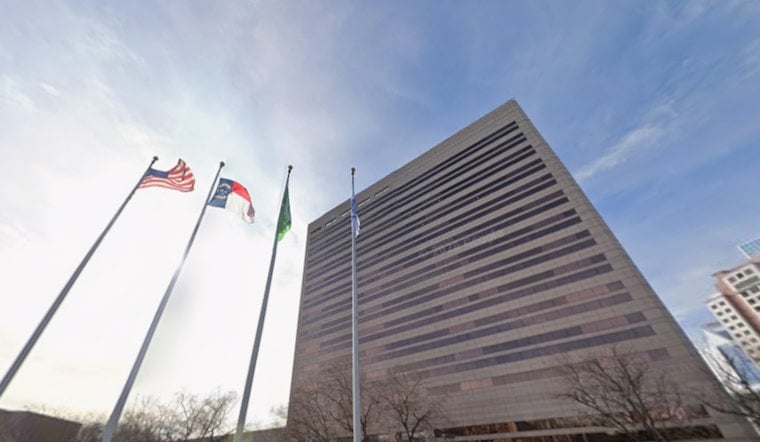
Chester County leaders have slammed the brakes on new data centers, voting yesterday to stop accepting fresh applications for six months while they sort out what the booming industry means for the local power grid, utilities and environment.
The six-month timeout is meant to give county staff space to draft potential zoning and design rules before another wave of projects shows up. It lands at a moment when developers are racing to build hyperscale server farms around the Charlotte metro area, and public unease about their impact is starting to catch up.
The move was first reported by WCCB Charlotte, which noted that the council voted to halt new data-center applications for 180 days while staff study utility, grid and environmental effects. Earlier this year, county planning and economic-development staff warned council that proposals were pouring in, telling officials they had “9 new active data center projects,” according to Chester County meeting minutes.
Why Officials Wanted A Pause
Staff told council that several issues keep popping up with data-center proposals: fleets of generators, huge power needs, heavy water use and the visual punch of massive windowless buildings. Once permits are approved, those problems can be tough to fix, they said, so they want clear zoning and design standards in place before more projects move forward.
Council members described the moratorium as a chance to reset and figure out how to welcome investment without sacrificing nearby neighborhoods. The tightrope: attract high-dollar facilities while keeping noise, traffic and industrial-style buildings from overwhelming nearby residents.
A Regional Wave Of Pauses
Chester County is not the only place in the region tapping the brakes. Earlier in June, the City of Charlotte approved a 150-day moratorium on new data centers while officials try to quantify the energy and water demands that come with them, according to Axios.
Across the Carolinas and beyond, more cities and counties are adopting temporary pauses so planners can catch up on rules for noise, emergency power use and costly grid upgrades, as Stateline has reported.
What Comes Next In Chester County
During the 180-day moratorium, county staff will analyze how much utility capacity data centers could consume, whether that might influence local power and water rates, and what environmental impacts are most likely. After that, they are expected to bring draft zoning language and suggested design standards back to council.
If council signs off, developers could face new siting rules, stricter design conditions or both before any future permits are accepted. According to the county’s meeting calendar, council will convene again in the coming weeks, and any draft ordinance would be posted and opened to public comment.
Local Stakes: Jobs, Taxes And The Grid
Backers of data-center projects argue they can broaden the county’s tax base and deliver construction work plus well-paid technical jobs over the long haul. Critics counter that those benefits can be outweighed by the cost of utility upgrades and the noise and disruption tied to 24-hour backup generators.
Reporting from the Charlotte Observer and analysis from Canary Media show how utility planning and future electric rates are becoming the central battleground in these debates. Residents at recent local meetings have said they want firm guarantees, not just talking points, on noise control, water use and who ultimately pays for new grid infrastructure.
How Residents Can Follow
The county posts council agendas, minutes and meeting packets on its Agendas & Minutes page, which is the best place to track any draft ordinance language and upcoming public hearings.
For more detailed coverage of the vote and council discussion, residents can review reporting from WCCB Charlotte along with the county’s archived council materials.


