

























































Bartholomew County’s high-profile fiber internet tax break is suddenly on notice. At its June 15 meeting, the County Council voted to start the formal process of withdrawing a long-running tax abatement granted to Meridiam for a countywide fiber project, a move that could force the investor to begin paying full property taxes and put federal American Rescue Plan funding at risk. The decision follows months of stalled construction and missed installation targets by the project’s local builder, and council members say this step opens the door to rescind the tax relief that helped lure private broadband buildout into rural parts of the county.
During the June 15 session, Councilor Mark Gorbett made the motion to begin withdrawing the abatement, with Kim Bennett seconding. The vote to start the process was unanimous. County council attorney Pete King advised members that they should “formalize withdrawing the abatement if they wish to,” steering the dispute into a structured review instead of an immediate cancellation. The motion effectively starts a procedural clock that, if carried through, would strip a 20-year, 95% abatement tied to the project, as reported by The Republic.
What the abatement covered
The abatement, approved in 2022, was generous by any local standard: it covered 95% of Meridiam’s business personal property for 20 years and was pitched as the key incentive to attract the private investment needed to bring fiber to rural addresses, as reported by WFIU. Meridiam and its local affiliate, often described as Hoosier Networks or mStreet Fiber, pledged to invest roughly $33 million in the county build, while the broader three-city Hoosier Network plan topped $90 million, according to the company’s announcement. That bargain formed the basis for the county’s decision to offer a long-term tax break that is now under formal challenge.
Why the build stalled
The rollout hit a wall when the original contractor handling installations went bankrupt, and replacement vendors proved hard to secure. mStreet responded by pausing portions of the program and reporting only a fraction of homes connected. Local CEO Dave Brodin told county officials the company had struggled to find installers willing to work under the project’s original fixed-price bids and had placed an indefinite stop on some county work. Those operational setbacks led commissioners and councilors to question whether the build could hit its required coverage targets, as reported by 106.1 The River.
Federal money on the line
On top of the tax break, Bartholomew County earmarked $4 million in American Rescue Plan funds to support the project. County Auditor Pia O’Connor has reminded council members that the money must be spent by the end of 2026 or returned to the U.S. Treasury. That ticking clock, along with the county’s coverage target - reported as about 82% in recent county briefings and described as an 85% goal in project materials - has fueled officials’ impatience with the slow rollout. As reported by Indiana Economic Digest and outlined in company materials, the ARP payout hinges on meeting that coverage threshold before the federal deadline.
Tax fallout if the abatement is removed
If the council ultimately completes the withdrawal, county figures show Meridiam would start paying taxes on roughly $19.13 million in assessed value and would lose the tens of millions in deductions the abatement generated this year. Reporting indicates the company paid about $956,350 in property taxes in 2026, but had more than $18.17 million removed from local tax rolls because of the abatement. Restoring those liabilities could significantly affect both the project’s economics and the county’s revenue projections, according to The Republic.
What comes next
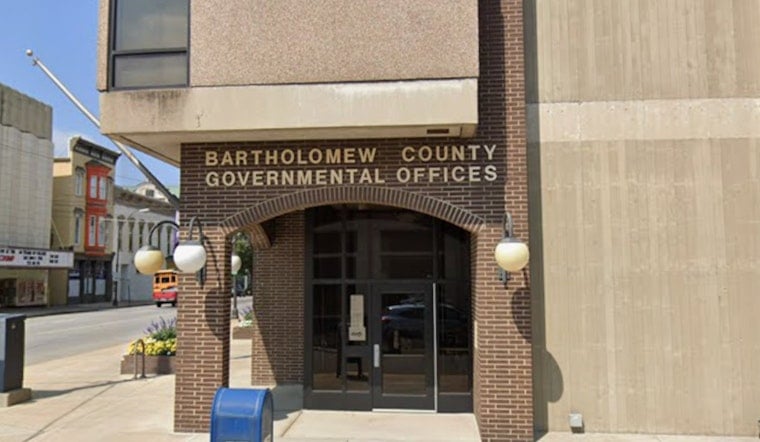
Starting withdrawal triggers a formal sequence of notices, potential hearings, and legal review that typically unfolds over weeks to months under local rules. The County Council will work through the procedural steps at public meetings held in the County Governmental Office Building at 440 Third Street in Columbus, where staff and attorneys will lay out the case for removal and record any response from the company, per the Bartholomew County website.
For now, the unanimous motion marks a shift from a public-private growth pitch to a more watchdog-style posture from local officials, who say they want firm timelines and detailed documentation before allowing the abatement to continue. Residents still waiting for fiber service will be tracking each procedural step to see whether the company can restart the build in time or whether the county will move to reclaim the tax relief and shore up its budget instead.





