

























































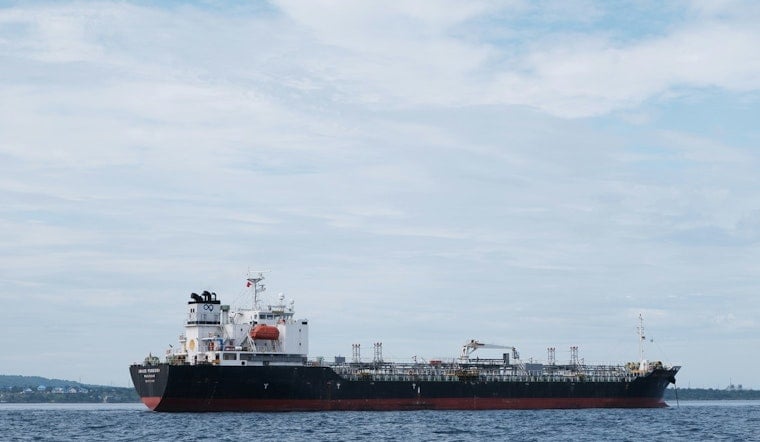
A Coral Gables energy trader says it has locked in a first-of-its-kind agreement to lease Cuban government fuel storage and ship gasoline and diesel to the island’s private businesses and humanitarian groups using full-size oil tankers instead of small ISO containers. The company says it will keep title to the fuel, track how it is distributed and sell only to pre-vetted buyers, with shipments of roughly 250,000 barrels expected on a monthly or roughly 40-day cycle. The deal arrives as Cuba grapples with severe power outages and a crushing fuel shortage, and it immediately tests how U.S. export rules and new Cuba sanctions will be enforced.
How the agreement will work
Coral Gables-based Vanguard Energy signed a contract last month with a Cuban importing agency to lease storage owned by state oil company CUPET and plans to unload gasoline and diesel from tankers directly into that infrastructure rather than rely on ISO tanks, according to the Miami Herald. Company president Matthew Klann told the Herald the plan is to “bring a reasonable-sized vessel, over 250,000 barrels,” on a roughly monthly or 40-day schedule, and Vanguard says it will retain title to the fuel and keep the right to inspect it in storage. According to the company, initial customers will be private enterprises and humanitarian or religious groups that have been vetted under its compliance program.
What U.S. rules allow
The Commerce Department’s Bureau of Industry and Security updated its guidance in February to spell out that exports of U.S.-origin gasoline and other petroleum products can be authorized for eligible Cuban private-sector entities under the License Exception “Support for the Cuban People” (SCP), while also suspending the use of Cuban-owned banks for such transactions as of March 4, 2026. That guidance emphasizes strict traceability, end-use controls and other safeguards exporters must follow so fuel does not end up with government or military entities, according to the Bureau of Industry and Security.
Shipments already underway
Shipping data and documents reviewed by Reuters show U.S. suppliers have already moved roughly 30,000 barrels of fuel to Cuba’s private sector so far this year, mostly arriving in ISO tanks on container ships. Those numbers point to a modest but growing stream of product into private firms even as state-run fuel imports remain largely blocked, according to reporting by Reuters.
Legal and compliance questions
The State Department told the Miami Herald that “Vanguard Energy has not received any U.S. license for this transaction,” and a White House official later said the company would need authorization to contract with designated state entities covered by Executive Order 14404. Those new Cuba sanctions authorities and related guidance add another layer of risk: OFAC’s FAQs and notices say transactions that benefit GAESA or other designated entities can trigger penalties, and firms must structure payments and custody to avoid involving Cuban-owned banks, per OFAC.
What it could mean for Miami traders
If the Vanguard plan goes ahead and regulators sign off on its compliance framework, the arrangement could pave the way for larger U.S. shipments and pull other Florida-based traders into Cuba’s private market. Bloomberg Law reports the cargo the company is planning would be the largest U.S.-origin fuel shipment to Cuba since the 1960s, turning the deal into a test case for how far the new export carve-outs will reach.
The story is developing. CBS News Miami has video coverage and local reporting; federal agencies and trade lawyers say compliance, payment routing and strict end-use monitoring will determine whether tanker deliveries become a long-term channel for private Cuban buyers.





