

























































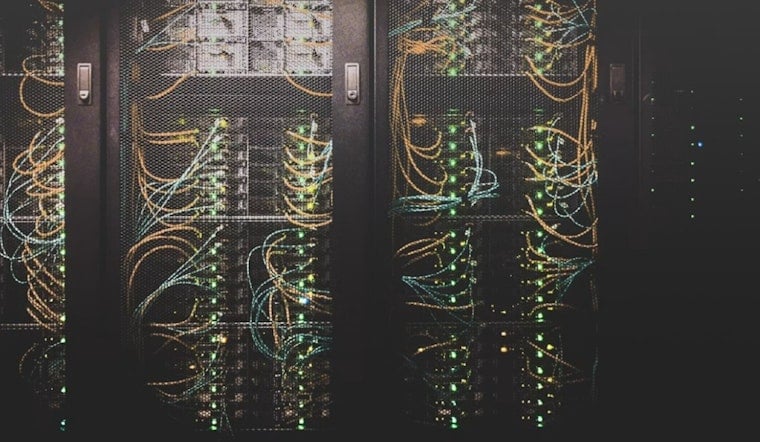
Florida has been quietly showering massive data centers with millions of dollars in tax breaks under a law backed by Gov. Ron DeSantis, even as he publicly takes shots at the industry. Newly released state records are now fueling a familiar Florida fight: are these incentives actually helping local communities, or just underwriting power-hungry server farms?
According to the Tampa Bay Times, Department of Revenue filings and exemption certificates show that qualifying projects have tapped sales-tax exemptions and, in some cases, refunds that add up to "millions" in tax relief. The paper also reported that a key lawmaker said the governor’s office pressed to keep access to the program alive while legislators hammered out new rules for data center development.
What SB 484 Changes
DeSantis signed SB 484 in May, and the measure takes effect on July 1. Supporters say it finally puts some guardrails on hyperscale facilities that can inhale electricity and water. As summarized by ClickOrlando, the law requires utilities to make sure large centers pay their own cost of service, limits certain consumptive-use water permits, keeps local zoning power intact and bans nondisclosure agreements that had previously kept many project details under wraps.
How the Tax Exemption Still Works
Those new protections do not touch the core sales-tax break for "data center property" that is still embedded in Florida law. Operators that clear some very high bars can qualify: a cumulative $150 million investment and a facility-wide critical IT load of at least 100 megawatts, as laid out in Florida Statutes section 212.08. The Department of Revenue issues temporary and permanent exemption certificates, and it explains the application and refund process for purchases made before a permanent certificate is issued on its Florida Department of Revenue forms site. Vendors and tenants rely on those certificates so purchases that would normally be taxed are treated as exempt.
What the Records Show
Public records reviewed by the Tampa Bay Times indicate that multiple projects have used these certificates and related refund claims to cut upfront construction and operating costs, with the total described only as "millions" in reduced tax bills. Interviews and documents cited by the paper suggest that administration officials encouraged lawmakers to preserve access to the exemption for very large projects even as SB 484 moved forward.
Why This Matters Beyond Florida
Florida is not wrestling with this in a vacuum. Around the country, states are rethinking how much public money they want to throw at hyperscale AI facilities as the strain on budgets and electric grids becomes clearer. Ohio has paused its data center tax exemption and Virginia lawmakers are openly debating whether to pull back on multibillion-dollar incentive packages, according to national reporting by E&E News. Tax policy experts say deals that once looked like routine economic development tools now carry outsized consequences when they are scaled up for massive AI campuses.
DeSantis’ Framing and Local Reaction
At the SB 484 signing, DeSantis pitched the measure as a way to shield consumers and communities, saying it would stop data center costs from being pushed onto residential ratepayers and would protect local control, according to Data Center Dynamics. Backers argue the law strikes a balance between growth and safeguards. Critics counter that the remaining sales-tax carveouts are still tilted far too heavily toward big data center operators.
Legal and Financial Implications
Under the statute and Department of Revenue rules, facilities that claim the exemption have to keep certifying that they meet the investment and power thresholds, with regular reviews. If a center later falls short, the state can revoke its certificates and hit the operator with back taxes, interest and penalties. The department also offers a refund form for purchases made before a permanent certificate is issued, a process that can lead to multi-year audits and repayment demands in some cases, according to the Florida Department of Revenue.
Local governments are already drawing their own lines. Some counties have moved to scrub data centers from local lists of businesses eligible for property-tax abatements, while other jurisdictions are still dangling incentives to attract construction dollars and short-term jobs. The first weeks after SB 484 takes effect on July 1 will show whether Florida’s revamped rules really shift leverage back to communities or simply pave the way for a new wave of subsidized computing campuses, a tension highlighted in Space Coast to AI Giants: No Tax Breaks.





