

























































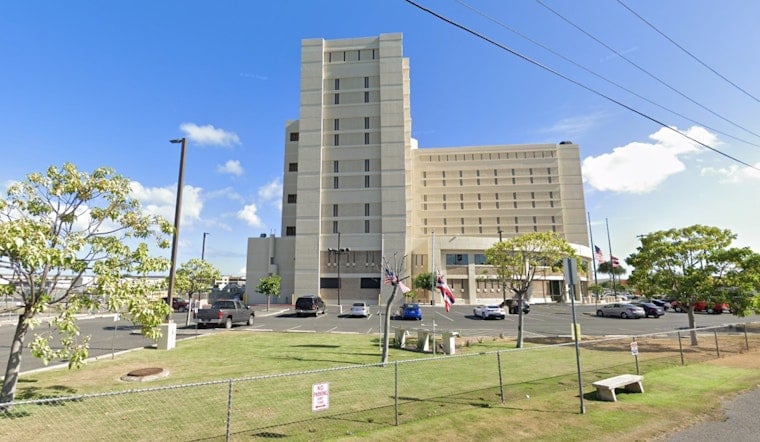
For 77-year-old Chinese investor Chunming Wang, pouring more than $100 million into Hawaii real estate has so far led not to a quiet retirement in paradise but to a locked cell and a looming exit order. An immigration judge has told Wang to voluntarily leave the United States even as he keeps fighting deportation. Held at the Honolulu Federal Detention Center since June 2, 2025, Wang says he fears retaliation in China for his public pro-democracy activism. Federal authorities, however, allege he brought some Chinese staffers into the country on visitor visas to work and point to what they describe as ties to the Chinese Communist Party. Wang denies those accusations and insists he will keep battling in court.
Government denial and detention
In May 2026 the U.S. government denied a family-based immigration petition filed on Wang’s behalf, citing "alien smuggling" and membership in the Chinese Communist Party, according to Hawaii News Now. The outlet reports that the "alien smuggling" allegation centers on claims that Wang brought Chinese staffers to work in the United States while they were on visitor visas. An immigration judge concluded that Wang had "circumvented and disregarded immigration laws" and questioned his candor, ultimately offering him the option to leave voluntarily rather than face a formal removal order. The same reporting notes that Wang put a $100 million bond on the table in an effort to secure his release, and that he says agents told him he might get better treatment if he identified suspected Chinese spies.
Federal litigation and appeal
Wang challenged his confinement in federal court, filing a habeas petition on June 2, 2025; the District of Hawaii dismissed the case in mid-July, and Wang then filed a notice of appeal to the Ninth Circuit, according to Habeas Dockets. The federal docket reflects multiple status conferences, hearing transcripts, and other filings, with the appeal assigned case number 25-4492 as it moved toward review by the appellate court.
Hawaii holdings and local footprint
On Oahu, Wang has left a very visible financial footprint. Reporting identifies roughly $100 million in local investments, including a nearly $16 million beachfront estate in Aina Haina, the former Spalding House museum site in Makiki, and multiple condos in Kakaako, and he has said he intends to pursue further projects such as affordable rentals and a restoration of the former museum site, according to Hawaii News Now. State business filings list Wang as an officer or agent of several Hawaii entities, underscoring how his holdings are structured through local corporate vehicles, according to State Business Filings.
Legal implications
Under U.S. immigration law, membership in a communist or other totalitarian party and the smuggling of people have long been grounds of inadmissibility, and the government has wide latitude in applying those security-related bars, although narrow waivers can exist in limited situations. Official guidance and practice manuals spell out the statutory framework and the tight conditions under which exceptions may apply; see USCIS and the University of Minnesota Human Rights Library for background on those grounds and potential waivers.
For now Wang remains in federal custody while his appeal plays out. Court records list the habeas dismissal and the notice of appeal as the key filings on the federal side. The case will put a spotlight on how immigration rules tied to security and visa misuse are enforced when the person in the crosshairs is a high-net-worth investor with deep local ties, and Wang says he plans to keep pressing his claims even as he talks up new projects in the islands.



