

























































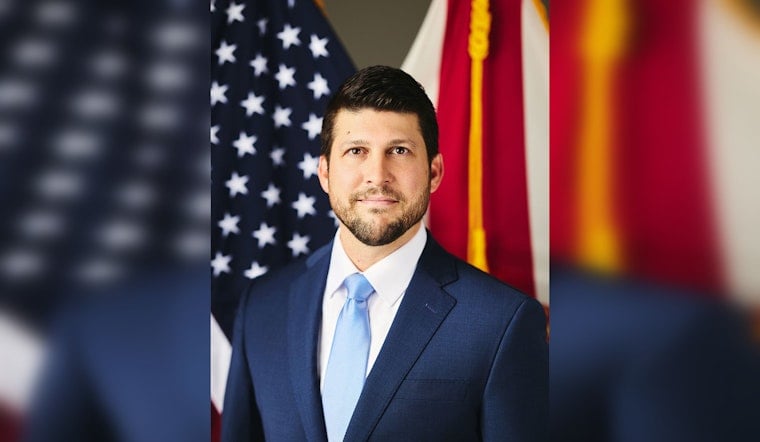
Florida Attorney General James Uthmeier has dragged TikTok and its parent company, ByteDance, into court, accusing the social media giant of skirting the state’s tough new child online safety rules and misleading parents about what their kids actually see on the app. The civil lawsuit, filed Monday in St. Lucie County Circuit Court, runs about 66 pages and asks a judge for injunctive relief, declaratory rulings and civil penalties.
According to WPTV, the state claims TikTok knowingly lets children under 13 hold accounts without verifiable parental consent and continues to pitch the platform as safe for young teens while their feeds can serve up sexual content, depictions of drugs, profanity and messages that encourage self-harm. Florida also argues the app-store descriptions that rate this material as "Infrequent/Mild" are flat-out misleading, and it brings claims under both the state’s Online Protections for Minors Act and the Deceptive and Unfair Trade Practices Act.
What’s in the complaint
The lawsuit leans on sharp language, alleging TikTok has "built one of the world's most popular social media platforms on the back of deception" and is "openly defying" Florida law. As summarized by WPTV, the filing singles out design choices such as endless scrolling, recommendation algorithms and what the state calls weak age-verification systems as tools that make explicit or harmful material easy for tweens and teens to find.
Legal basis
The case rests on Florida’s Online Protections for Minors Act, often referred to as HB 3, which is codified at Florida Statute § 501.1736. The law bars covered social media platforms from allowing account holders under 14 and requires parental consent for users aged 14 and 15. It also sets rules for age verification and data deletion and authorizes the attorney general to seek civil penalties when platforms knowingly or recklessly break the law, per the Florida Senate.
Part of a wider enforcement push
The TikTok lawsuit is just the latest move in an increasingly aggressive consumer protection agenda from Uthmeier’s office. In early June, his team filed a closely watched state lawsuit against OpenAI, arguing the company’s product harms children and deceives users, according to an Office of the Attorney General release. Hoodline has previously covered that OpenAI case as part of the attorney general’s wider tech-safety crackdown. Uthmeier’s office has also issued subpoenas and opened investigations into other platforms as it targets child exploitation and alleged deceptive practices.
How this fits into a national fight
Florida is far from alone. Attorneys general around the country have launched similar cases against TikTok and other social platforms, arguing that manipulative design choices and rosy marketing put kids in harm’s way. A growing body of state actions and legal analysis tracks this wave of enforcement aimed at social media, and JD Supra notes that outcomes have been mixed so far. Core questions about addiction-like features, product design and free-speech limits are already playing out in multiple courts.
What comes next
With the complaint filed, the legal chessboard is set. Florida is expected to push early for court orders, while TikTok will likely roll out constitutional and procedural defenses that have surfaced in similar cases elsewhere. Uthmeier unveiled the lawsuit at a public event Monday, and observers should expect fast-moving motion practice and possible appeals, since comparable laws in other states have already produced injunctions and conflicting rulings. NBC 6 South Florida has posted raw video of the announcement.
For Florida parents, schools and teens themselves, the case is another flashpoint in the ongoing fight over how far state law can go in shielding minors from online harms while staying within constitutional lines. We will continue tracking new court filings and local reaction as the lawsuit moves through St. Lucie County and, potentially, into the appellate courts.





