

























































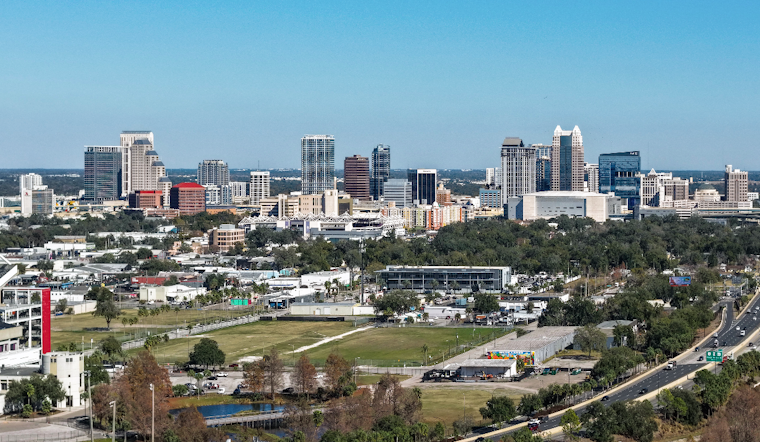
Orlando is quietly turning into a freelancer hotspot. A new analysis of major U.S. metros ranks the region as the second-fastest-growing market for freelancer-run businesses since 2019, putting Central Florida squarely on the national map for solo operators and creative one-person shops.
The study points to a surge in nonemployer businesses that look a lot like modern freelance outfits: consultants, creators, boutique professional firms, and independent studios. Across the metro, this shows up as new design shops, niche agencies, and specialists marketing their services from downtown high-rises to suburban co-working spaces.
The ranking comes from a June analysis by Giggster, which compared counts of freelancer-related nonemployer businesses in 2019 and 2023 across the 30 largest U.S. metros and placed Orlando at No. 2 nationally. The report used U.S. Census nonemployer statistics as its base data and filtered for industries tied to creative, technical and professional freelance work. According to the analysis, Miami led the pack by adding roughly 19,000 freelancer businesses over five years, while San Francisco was the only large metro that actually lost freelancer firms.
What the numbers show
As reported by WFTV, leading Sun Belt metros such as Miami, Orlando and Charlotte posted average growth of about 19.5 percent in freelancer businesses. Several more established coastal metros, by contrast, saw growth closer to 3.4 percent over the same period.
To avoid confusing population growth with real density gains, the analysis looked at freelancer businesses per 10,000 residents using U.S. Census nonemployer and population estimates. That helps show where solo businesses are truly concentrating rather than simply following where more people are moving.
The study zeroed in on categories such as independent artists and performers, specialized design services, management and technical consulting, internet publishing and motion-picture work. Many local-service sole proprietors, such as small retail or personal-service businesses, were deliberately excluded so the focus stayed on fields more commonly associated with professional freelance work.
Why Orlando is gaining ground
Local economic trends line up neatly with the data. Orlando's tech and professional sectors have been expanding rapidly, creating a steady flow of short-term contracts and specialized project work that often lands in freelancers' laps rather than on corporate payrolls.
The Orlando Business Journal has reported strong tech job growth and rising median pay in recent years. That kind of wage backdrop makes it easier for experienced professionals to leave full-time roles and hang out their own shingles without taking as big a financial gamble.
Regional development groups and co-working operators also point to better talent pipelines and more flexible office options, which lower the barrier to launching a solo practice. It is far simpler now for an independent designer, consultant or producer to plug into a local network, find a desk, land a few clients and scale up from there.
What it means for freelancers
Industry research suggests this Sun Belt surge translates into both more opportunity and more competition for independent professionals.
A Fiverr economic report released in December 2025 flagged Orlando as one of the fastest-growing markets for independent professionals, highlighting steep percentage gains in freelancer counts and revenues in Sun Belt metros. For specialists who can pair niche skills with AI tools and platforms, a higher concentration of nearby clients could mean better rates and more reliable pipelines of work. For freelancers who compete mainly on price, however, a crowded field may make it harder to stand out.
How "freelancer" is measured
There is an important technical caveat behind all this good news. The analysis uses U.S. Census Nonemployer Statistics as a stand-in for freelance and solo professional work. These are businesses with no paid employees that report business income, which makes the numbers a useful signal but not a precise headcount.
The Census notes that nonemployer statistics include only entities that file tax records and meet a receipts threshold. That means many platform-based workers or informal freelancers who operate on a smaller or more casual basis are likely undercounted in the totals.
Even with those limits, Orlando's position near the top of Giggster's list is one more data point in a broader Sun Belt shift. For local freelancers and small-business advocates, it is also a nudge to keep building networks, training and services that match the region's growing appetite for independent talent. In the coming years, city officials and industry watchers will be tracking whether this rising density of solo operators translates into higher incomes and more sustainable one-person businesses across the Orlando metro.





