

























































Indianapolis officials are pushing out a nearly $19.49 million one-time cash infusion that they say is meant to answer what neighborhoods have been asking for: basic fixes, done quickly.
Mayor Joe Hogsett and City-County Council leaders this week rolled out the fiscal package, which leans heavily on neighborhood-level projects like residential street resurfacing, park safety upgrades and support for housing and homelessness services. The money comes from supplemental income-tax dollars and is structured as a one-time plan, separate from the city’s regular capital budget process.
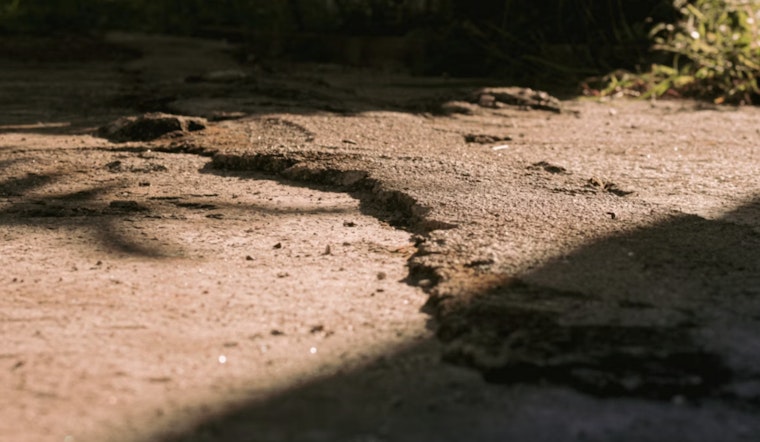
According to a city release detailed by WISH‑TV, about $9.7 million of the package is earmarked for infrastructure, including $8 million to resurface and repair residential streets. Another $5 million would go to shoring up operations at the city’s low-barrier housing hub.
The proposal also sets aside $1 million to expand outreach and housing navigation through Streets to Home Indy Phase 2, $600,000 for additional security cameras in city parks, $500,000 to finish 180 active homeowner-repair applications through the Department of Metropolitan Development, and more than $300,000 for youth violence-prevention programs.
Where the money comes from and what’s next
As reported by Axios, the funding stems from roughly $19.5 million in supplemental state payments the city received this spring. Council leaders have introduced a plan to carve up that one-time pot among competing neighborhood priorities, with this package as a key piece.
The proposal still has to work its way through the formal City-County Council process. It will face committee review and then a final council vote before any of the dollars are released and projects can start.
Budget backdrop
While this package focuses on near-term fixes, it is landing alongside a much larger budget conversation. Mayor Hogsett is advancing a nearly $1.7 billion 2026 city budget that holds off on tax increases while trying to expand services, according to WRTV. City officials say the new $19.49 million plan is meant to complement that broader budget work, not replace ongoing debates about long-term road funding and homelessness services.
What the dollars could do on the ground
City officials say the additional $1 million for Streets to Home brings Indianapolis’ total investment in the program to nearly $11 million, part of a multi-year effort to move people from encampments into shelter and navigation services, per the city release detailed by WISH‑TV. Completing the backlog of homeowner-repair applications and boosting park camera coverage, they argue, should show up quickly in day-to-day quality of life for residents in the affected neighborhoods.
The fiscal package has now been formally introduced for council consideration. It will go through committee and then a final vote before allocations are locked in, city officials say. As Axios notes, how councilors choose to balance this one-time cash against longer-term spending commitments will help determine how fast neighborhood projects roll out this summer.



