

























































Honolulu has a new weekend temptation, and it comes in a flaky, blistered shell. Aloha Nata, a small father-and-son bakery, has quietly brought Portugal’s beloved pastéis de nata to Oʻahu, setting up shop at the KCC Farmers’ Market and offering frozen preorders that customers can finish baking at home. The lineup sticks to the classic custard tart but leans into local tastes with ube, coconut, macadamia and Manoa Chocolate, filling a long-noted gap in Hawaiʻi’s Portuguese pastry scene and giving Diamond Head regulars one more reason to linger on Saturday mornings.
Family roots and flavors
Nic Barradas told Hawaii News Now he “felt like I had to open this business” to bring the pastel de nata to the islands, describing the project as “less like a business opportunity and more like a responsibility.” On HNN’s Sunrise segment, Nic and his father, Agostinho Barradas, walked viewers through their tarts, explaining that their version is more custard-forward than Chinese-style egg tarts. Hawaii News Now highlights flavors including original, ube, coconut, macadamia nut and Manoa Chocolate.
Order ahead and bake at home
Aloha Nata encourages customers to pre-order frozen natas, then pick them up at the market and finish baking them at home, with its website noting that the pastries are “handcrafted in Kailua,” according to Aloha Nata. The bakery’s product pages emphasize small-batch production, hand-rolled dough and a traditional custard technique to keep things close to the pastry’s roots.
Where to find them
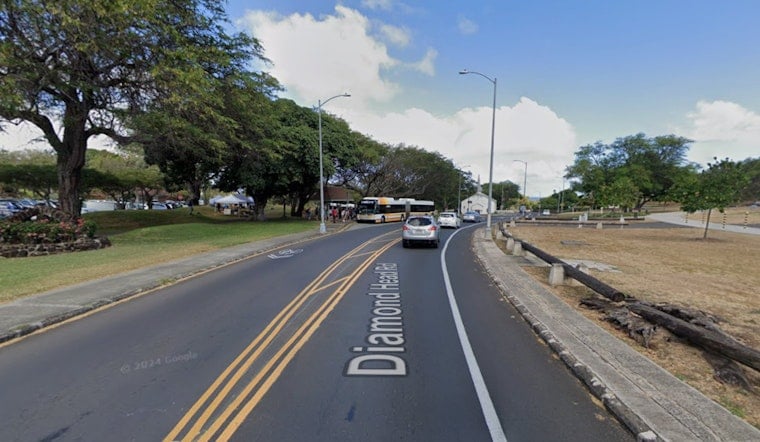
Shoppers can find Aloha Nata at the KCC Farmers’ Market near Diamond Head every Saturday from 7:30 to 11 a.m., according to the market listing from Hawaii Farm Bureau. The market sets up on the Kapiʻolani Community College campus at 4303 Diamond Head Rd., with Aloha Nata joining dozens of local vendors each weekend.
From Lisbon to Oʻahu
The pastel de nata traces its origins to monks at Lisbon’s Mosteiro dos Jerónimos and was later commercialized by the Pastéis de Belém bakery in the 1830s, according to the history shared by Pastéis de Belém. That shift from convent kitchens to bakery counters helps explain why bakers like the Barradas family treat the tart as both a technical challenge and a cultural bridge between Portugal and Hawaiʻi.
Hawaiʻi’s Portuguese food legacy, from malasadas to linguica, makes the arrival of pastéis de nata feel like a natural next step, local reporting notes. For preorder details and weekly pickup information, check Aloha Nata or the feature from Hawaii News Now.





