

























































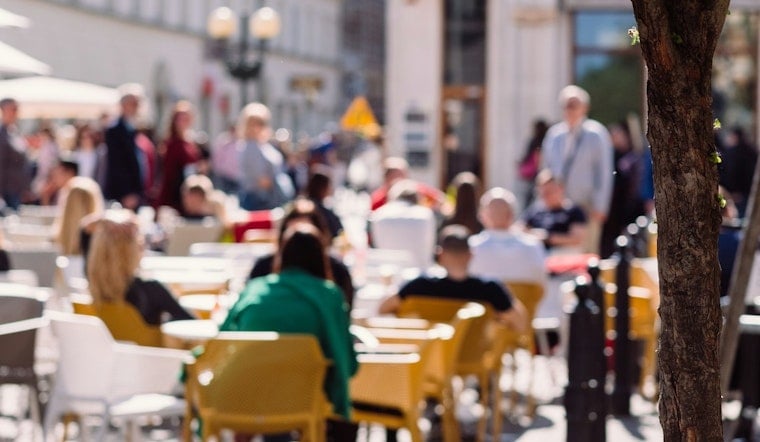
When California lawmakers pushed SB 314 through Sacramento in 2021, the idea was simple enough: keep the pandemic’s outdoor drinking and dining boom alive. The law locked in many of the emergency flexibilities that let restaurants serve curbside cocktails, stretch their footprints into parking spaces and host pop-up tastings. Now that some of those statewide emergency powers have expired, cities are rewriting the rules and businesses are navigating a fresh maze of local permits on top of Alcoholic Beverage Control requirements.
What SB 314 aimed to do
SB 314, often called the Bar and Restaurant Recovery Act, set out to make outdoor dining and alcohol service more flexible. The measure authorized on-site alcohol consumption on property adjacent to a licensed premises, allowed open-container entertainment zones for festivals, and let separately licensed operators share a single physical footprint. It also loosened limits on tastings and told the Department of Alcoholic Beverage Control (ABC) to speed up review for temporary authorizations. Those details were flagged when the bill was introduced, as reported by Eater LA.
Which pieces were temporary
Not every change under SB 314 was built to last. The bill created a COVID-19 Temporary Catering Authorization so on-sale licensees could use adjacent areas for on-site service, but that section was written to remain in effect only until July 1, 2024, when it was set to be repealed. The Department of Alcoholic Beverage Control still posts the TCA application and archived guidance while pursuing formal rulemaking on how permanent, non-contiguous licensed areas will work going forward, so businesses are urged to review ABC materials rather than assume the old emergency playbook still applies. See California Legislative Information and Alcoholic Beverage Control for the bill text and TCA forms.
Cities wrote the fine print
Once pieces of the state’s emergency authority began to lapse, local governments stepped in to set their own ground rules. In late 2023, Los Angeles voted to make its Al Fresco program permanent, layering on permit fees, design standards and operating conditions that restaurants must follow if they want to hang onto parklets and curbside seating with alcohol service. Other cities across the region have adopted similar playbooks for patios on private property, parklets and street-level festival zones, which means operators now need city approvals alongside any ABC licenses. Those requirements are detailed on the city’s Al Fresco pages at LADOT.
What it means for restaurants and festivals
On the ground, SB 314 has created a mix of fresh opportunities and new headaches. The law makes licensees jointly responsible when they share a common licensed area, so restaurants that team up on a shared parklet, tasting space or pooled footprint can all be disciplined for violations. That shared-liability quirk is something owners now have to factor into insurance, staff training and daily operations. Festival organizers and entertainment-zone planners are juggling split authority too: cities draw the boundaries and set hours for these zones, while ABC sets the licensing conditions, a combination that can complicate planning for large outdoor events. The joint-liability language and related details are laid out in the bill text, per California Legislative Information, and local reporting has warned that rising permit fees and extra bureaucracy could push some restaurants to abandon outdoor setups, per LAist.
What to watch next
The Department of Alcoholic Beverage Control is in the middle of refining regulations that will spell out how permanent, non-contiguous licensed areas are treated, while cities keep tweaking application windows, fees and design rules for local Al Fresco programs. Restaurateurs, event promoters and neighborhood groups now have homework on two fronts: follow ABC rulemaking and keep an eye on city-level updates. The open question is whether state and local officials eventually harmonize standards to cut down on red tape or leave the patchwork fully in place as the new normal for outdoor drinking and dining. For the latest on ABC rulemaking and premises-expansion guidance, see Alcoholic Beverage Control.



