

























































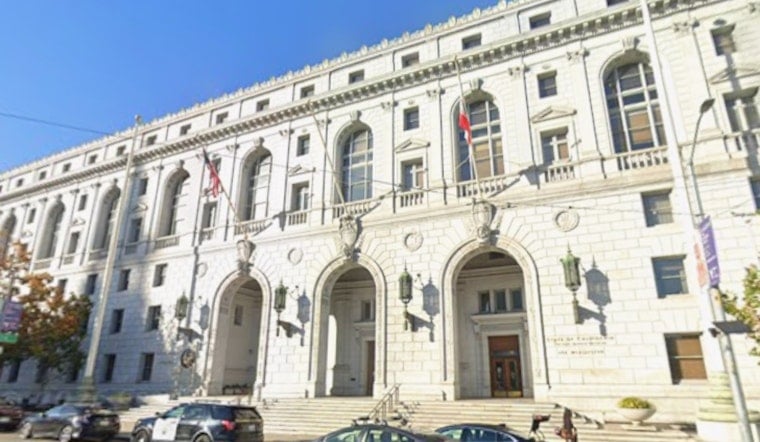
The California Supreme Court on Monday threw out the death sentence of Anthony George Bankston and sent the case back to a Los Angeles trial court to redo the penalty phase. Bankston’s murder convictions remain in place, but the ruling applies California’s Racial Justice Act to a decades-old capital case and signals a clear shift in how prosecutors’ penalty-phase rhetoric will be judged.
What the Court Said
Writing for the court, Justice Leondra Kruger zeroed in on the prosecutor’s comparison of Bankston to a "Bengal tiger" during the penalty phase, finding that the big-cat story risked stirring racial bias. She wrote that the Bengal tiger story should no longer be told in California courtrooms, according to the California Supreme Court opinion. The majority concluded the prosecutor had exaggerated the anecdote and layered on charged language in a way that was prejudicial. On that basis, the justices reversed the death judgment and sent the case back for new proceedings limited to punishment.
Case Background
Bankston was tried for separate 1991 shootings in Los Angeles County. Juries convicted him of two counts of first-degree murder, one count of attempted murder, and related firearm enhancements, and a penalty jury returned a death verdict. The trial record details shootings at the intersection of Beach and Firestone and at Thorson and Laurel in Compton, along with eyewitness accounts and gang-related testimony. Those facts and the court’s procedural moves are laid out in the appellate materials collected on Justia.
Why It Matters
The Racial Justice Act, enacted in 2020, forbids language and imagery that implicitly appeal to racial bias, and it specifically calls out certain animal comparisons as especially problematic. A spokesperson for the Judicial Council told CalMatters that Bankston is the first case in which the state’s high court has overturned a death sentence based on an RJA violation. The decision landed alongside three companion opinions issued the same week that also take up RJA claims in capital appeals, signaling the court is actively redefining the ground rules in this area.
Legal Implications
The justices reversed only the death judgment and remanded for further proceedings on the penalty, keeping the convictions intact. The opinion grapples with 2025 amendments to Penal Code section 745, including a provision stating that a defendant who has suffered an RJA violation shall not be eligible for the death penalty, but the court declined to decide at this stage whether that language flatly bars any future penalty retrial. Instead, it left that remedial question to the trial court, as set out in the opinion. Separate concurring opinions by other justices debate whether pre-RJA cases on direct appeal should be reviewed under a traditional harmless-error standard or handled more categorically, a dispute that will guide how lower courts apply the statute.
Where It Goes From Here
On remand, a Los Angeles County judge will decide what remedy to impose and whether a new penalty proceeding is legally permissible at all. Observers say the Bankston ruling is likely to echo through other long-running capital appeals and will test how trial courts juggle the RJA’s mandate to root out racial bias with longstanding appellate doctrines, a tension explored in coverage by Courthouse News Service.





