

























































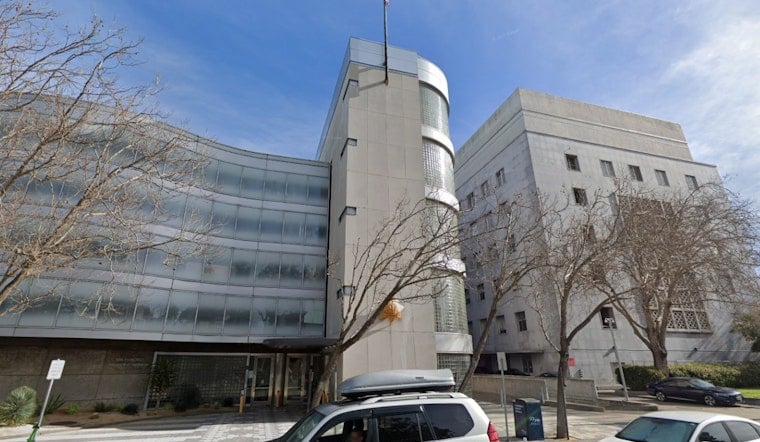
Nine women held at San Francisco County Jail No. 2 have filed a federal civil rights lawsuit, accusing the city and sheriff’s office of keeping them in unconstitutional conditions that they say are making them sick. Their complaint points to round-the-clock artificial light, no direct sunlight, chronic plumbing problems, weak hot water and a diet short on fresh fruits and vegetables as causes of skin issues, sleep disruption and digestive trouble.
What the Lawsuit Alleges
As reported by Mission Local, the class-action complaint filed Monday contends that women in County Jail No. 2 receive fewer privileges than men, including less access to outdoor time, programming and jail jobs. The filing says the women are "never permitted outdoor access" because the facility has no outdoor yard, and that many are confined under interior lighting 24 hours a day. Those conditions, the suit argues, are tied to headaches, sleep disorders and vision problems. The plaintiffs are asking for damages, a jury trial and court orders to expand sunlight exposure, exercise space and nutrition.
Attorneys Say the Jail Is Making People Sick
Attorney Yolanda Huang has labeled the conditions "unconstitutional" and warns that prolonged stays under these circumstances can lead to lasting illness. As reported by ABC7, Huang says lack of sunlight can worsen headaches and memory problems, and notes that the nine plaintiffs, although granted bail, remain in custody because they cannot afford to pay. According to the outlet, the city and county will have 30 days to respond to the complaint once it is formally served.
Backstory: 2023 Ruling on Sunlight
Sunlight has already been a flashpoint in earlier litigation. A 2023 federal decision found that long-term denial of direct, unfiltered sunlight can trigger a range of medical harms and ordered that people jailed longer than a year must be offered at least 15 minutes of direct outdoor sunlight each day, as outlined by Courthouse News. The opinion summarized expert testimony tying lack of unfiltered sunlight to weight gain, hypertension and vision problems, and it now forms part of the legal backdrop the plaintiffs cite to argue that their jail conditions produced real health effects. Lawyers say the Brackens decision gives the new complaint an immediate constitutional context.
Related Complaints and Community Reaction
The new suit lands amid other high-profile complaints about how women are treated inside County Jail No. 2. As reported by KQED, a separate, recently filed class action alleges deputies carried out a mass strip search and recorded women inside the unit, a claim that lawyers and advocates say underscores broader concerns about oversight and trauma-sensitive care for people in custody. Those parallel cases have prompted protests and renewed scrutiny from local advocates.
What Plaintiffs Are Seeking and Next Steps
According to Mission Local, the nine-woman suit seeks damages, a jury trial and injunctive relief aimed at fixing plumbing, expanding outdoor access and improving nutrition and medical oversight inside the jail. Plaintiffs' attorneys say they may push for broader court supervision of Jail Health Services if systemic problems are confirmed. The filing starts the clock on the case: once the complaint is served, the city has a set period to respond, and the federal docket will dictate how quickly early hearings and motions unfold.
Legal Implications
The complaint brings claims under the Fourth, Eighth and Fourteenth Amendments, alleging unconstitutional conditions of confinement and seeking both money damages and injunctive relief. Courts have long wrestled with how to balance security and staffing concerns against out-of-cell time and outdoor access, and recent rulings in San Francisco cases have put fresh judicial attention on sunlight, exercise and their medical fallout. If the class allegations move forward, the case could force new operational changes inside the jail system or prompt renewed settlement talks between the city and the plaintiffs.
For now, the lawsuit adds another concrete legal challenge to a jail system already facing multiple investigations and civil claims. Lawyers, advocates and city officials say the coming weeks will determine whether this dispute ends in a negotiated resolution or stretches into a longer federal fight over how San Francisco treats people behind bars.





