

























































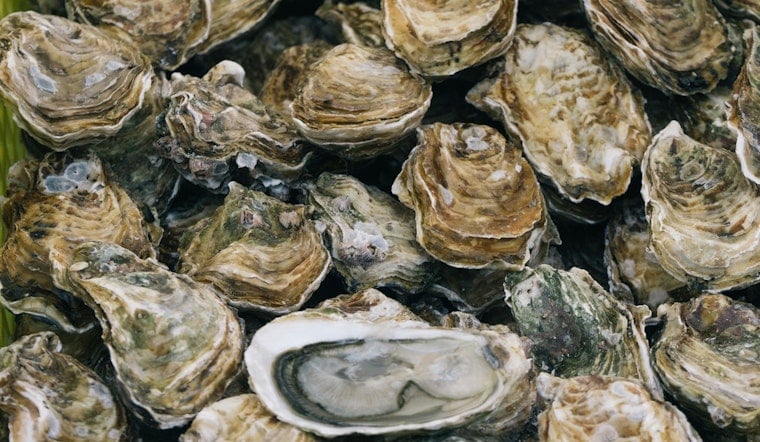
Farmed oysters in parts of New York’s waters are not just sitting in cages and waiting for happy hour. A new population-genetics study finds that eastern oysters raised on farms are breeding with wild oysters in western and central Long Island Sound, which could be giving depleted natural reefs a quiet demographic boost. Hudson River populations, by contrast, show little evidence of this kind of mixing. Researchers say it is not a magic fix for restoration, but it does change how policymakers might think about aquaculture’s role.
According to the Cornell Chronicle, the study offers the first genetic evidence that farmed eastern oysters have been adding to wild stocks in parts of Long Island Sound. Lead author Matthew Hare told the outlet that if a farm sits near a wild oyster population and any spawning happens on that farm, it can effectively act as a “demographic supplement” to nearby beds. The same reporting notes that in 2023 roughly 84% of New York’s eastern oysters came from farms, a sign of how thoroughly aquaculture now dominates the state’s oyster production.
Genetic Clues Trace Farm-to-Wild Oyster Traffic
The research team used high-resolution genomic markers to compare native oysters from the Hudson–Raritan Estuary, the East River and Long Island Sound. They found almost no aquaculture ancestry in most Hudson River samples, yet they detected consistent low-level genetic introgression in western and central Long Island Sound. According to the paper in Molecular Ecology, nearly all of the admixed oysters appear to be later-generation backcrosses rather than the result of one big, recent spill of farm stock into the wild. The authors interpret that pattern as evidence of historical recruitment from farm spawning events over time.
Eastern oyster larvae typically drift in the plankton for about two to three weeks and can travel kilometers on currents during that window, which makes it biologically plausible that larvae from farms could seed nearby wild reefs, according to NOAA Fisheries.
What Farmed Recruits Could Mean For The Sound And Harbor
Oysters are classic ecosystem engineers, filtering phytoplankton from the water, locking up nutrients and building three-dimensional reefs that create habitat for other species. That means even modest local bumps in oyster numbers can improve water clarity and habitat complexity. Before industrial-era overharvest and pollution, New York Harbor supported an estimated 220,000 acres of oyster reefs. Community groups and scientists have been trying to bring some of that structure back by returning shell to the water and planting hatchery-reared spat.
Conservation reporting, including coverage in National Geographic, has documented both the ecological upside of reef restoration and the way local projects are slowly rebuilding oyster habitat around the harbor.
Risks And Open Questions
The study’s authors are not declaring farmed oysters an unqualified win for wild genetics. They warn that gene flow from domesticated lines can have evolutionary consequences. Some hatchery-selected traits, such as resistance to disease, might help wild oysters. Yet domestication can also shift trait distributions and gradually reduce fitness, a concern echoed in a broader genomic analysis of oyster domestication described in PubMed Central.
Regulators, meanwhile, place strict limits on where shellfish farming is allowed. Much of the Hudson River, the East River and the far western end of Long Island Sound remain off-limits to aquaculture because of public-health concerns. That sharply narrows the places where larvae from farms could realistically settle on wild reefs, according to the Cornell Chronicle.
Where Scientists And Managers Go Next
To figure out whether these farm-sourced recruits are truly helping wild populations, the authors call for coordinated genetic monitoring, field experiments that test how well different recruits survive and reproduce, and tighter collaboration between oyster growers and restoration teams. The work is supported by regional programs that fund Long Island Sound research, including New York Sea Grant, which has been channeling new investments into Sound science to better connect research with management needs. Both the study and New York Sea Grant highlight long-term monitoring as a key priority.
For New Yorkers watching harbor restoration efforts, the findings offer cautious optimism. In areas where water quality and regulations allow both farming and reef work to coexist, cultured oysters may quietly bolster natural beds. Local partners such as the Billion Oyster Project and state researchers are already placing shell, tracking spat and measuring reef growth. The new genetic evidence gives those ongoing efforts a fresh angle as managers weigh how to align aquaculture with long-term restoration goals.





