

























































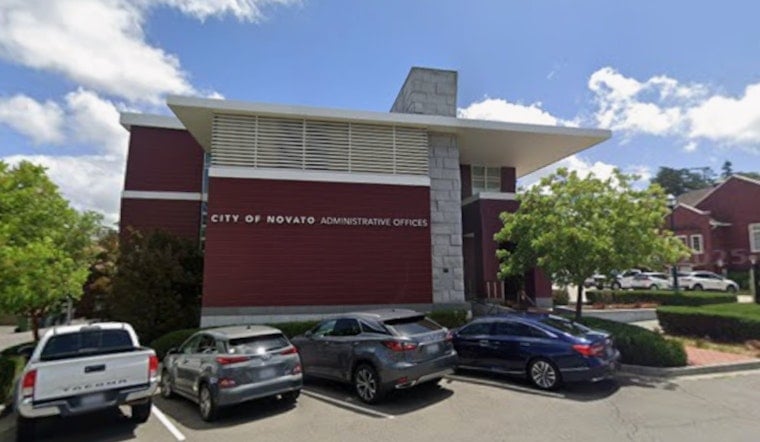
After years of bitter back‑and‑forth, Novato’s City Council last Tuesday signed off on a long‑disputed Costco fuel center at the Vintage Oaks Shopping Center, clearing the way for a roughly one‑acre gas facility that can fuel up to 28 vehicles at once. The vote lifts part of a multi‑year pause triggered by legal challenges and a court‑ordered environmental review. Opponents argue the scale and location of the project, next to wetlands and a pediatric clinic, puts public health and the city’s own climate goals on the line.
What the council approved
In a city news release, Mayor Pro Tem Kevin Jacobs said Costco has been a valued member of the Novato business community and that the council’s action will keep jobs and sales tax revenue in the city, according to the City of Novato. The council brought the project forward after the Planning Commission certified the Final Environmental Impact Report earlier this spring. Supporters say the fuel center will give Costco members more convenience and lower prices while helping preserve the Vintage Oaks shopping district as a retail hub.
Project by the numbers
State CEQA records show the plan includes a 10,244‑square‑foot canopy with 14 dispensers (28 fueling positions), three 40,000‑gallon underground storage tanks and an approximately 1.15‑acre footprint next to the existing Costco at 300 Vintage Way, per CEQAnet. The EIR and related plans also describe Rowland Boulevard upgrades that the city says will add parking, a multi‑use path and other mitigations to ease the shopping‑center traffic pattern. The application is listed as P2020‑025, with the City of Novato serving as the lead agency.
Litigation and review
Costco initially won a use permit in 2021, but seven residents sued, and in 2022, a Marin County Superior Court judge ordered Novato to set aside that approval and complete a more extensive environmental review, according to the San Francisco Chronicle. That ruling froze project activity and pushed the city into a formal EIR process that extended into late 2025. The Novato Planning Commission ultimately certified the Final EIR and approved the project entitlements on April 13, 2026, according to the City of Novato.
Neighbors and critics
Neighbors, environmental groups and clinic staff have warned that the station would increase vehicle queuing, worsen local air quality and threaten nearby wetlands, concerns aired repeatedly in public comments and in a petition. A filing on Change.org argues the project would harm air, water and soil and has collected local signatures. At a public planning meeting, Pablo Downer Paster, chair of Novato’s Sustainability Commission, warned the station would generate “tens of thousands of tons of CO2,” a comment noted by SFGATE.
EV charging and local infrastructure
Backers counter that the project is landing in a shopping center already tilting toward electric vehicles. Public station trackers list a 20‑stall Tesla Supercharger at Vintage Oaks and a cluster of DC fast and Level‑2 chargers around Vintage Way, reflecting local EV demand, according to DCFC Tracker. The city also reworked Rowland Boulevard in 2022 to add parking and a multi‑use path behind the center as part of related improvements. Critics say none of that changes the basic problem that the project adds new fossil‑fuel infrastructure with long‑term climate impacts.
Policy friction
Novato adopted a Climate Action Plan in 2025 that aims to sharply cut emissions by 2030, but city officials say the Costco proposal is effectively grandfathered because its review started before the city’s 2022 ban on new gas stations. That timeline gap has turned the project into a local stress test of how far newer climate policies can reach back to constrain older proposals.
Why supporters say it helps shoppers
Supporters argue Costco fuel will mean lower pump prices for members and help keep shoppers spending in Novato, a familiar pro‑development line during council hearings. Reporters and analysts have noted that when gas prices spike, drivers flock to warehouse clubs like Costco and Walmart for cheaper fuel, a pattern covered by KPBS. Opponents respond that a few dollars saved per tank does not outweigh health concerns and climate costs.
Legal implications
The project’s path also shows how litigation can rewrite a development timeline. The 2022 court order forced a new EIR, and legal advocates have signaled they are watching the latest council decision closely for potential grounds to challenge the updated approvals, according to the San Francisco Chronicle. The city’s public‑hearing notice warns would‑be challengers that any judicial review may be limited to issues raised during the administrative process, a procedural hurdle that will shape any appeal, per the city’s public notice archive.
What happens next
With Planning Commission resolutions, CEQA filings and the council vote now on the books, the project has cleared its biggest administrative checkpoints. It could still face appeals or fresh lawsuits that slow or halt construction. For now, the final CEQA filing and project documents remain available on the state CEQA portal and in the administrative record while the next round of permitting and any legal challenges play out.





