

























































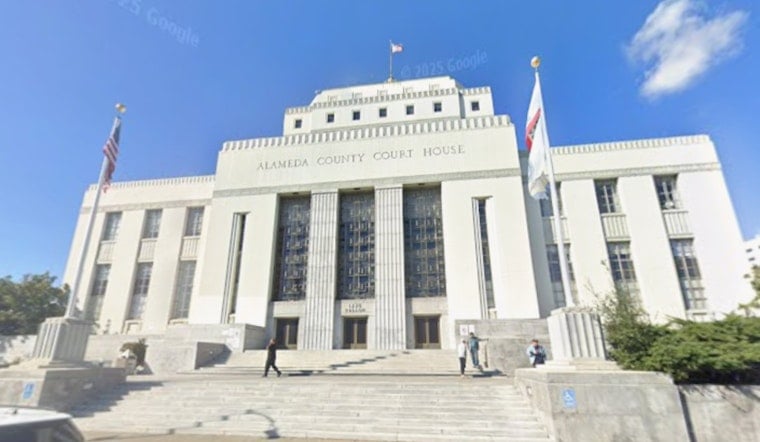
An Arizona-based importer hauled four of the world’s largest shipping container manufacturers into federal court in Oakland yesterday, accusing them of running a years-long conspiracy to choke supply and inflate prices, driving up costs for U.S. buyers. The complaint seeks unspecified monetary damages on behalf of companies that bought containers or depended on them to move goods.
According to Reuters, the suit was filed by C.A. Spalding Company and names China International Marine Containers (CIMC), Singamas, CXIC Group Containers and Shanghai Universal (Dong Fang) as defendants. Spalding, an Arizona-based importer that supplies components to aerospace, automotive and other manufacturers, brought the case in the U.S. District Court in Oakland, the filing states. Supplier terms published by C.A. Spalding Company describe the firm as a parts buyer and customer of manufacturers.
DOJ indictment and criminal case
The Justice Department, in mid-May, unsealed a superseding indictment accusing four container makers and seven executives of conspiring to restrict output and fix prices, with the criminal case also lodged in the Northern District of California. One executive, Vick Nam Hing Ma of Singamas, was arrested overseas and is awaiting extradition, according to prosecutors. The U.S. Department of Justice says investigators worked with international partners to assemble the case.
How the alleged scheme worked
Prosecutors say the companies coordinated limits on output, including steps to cap shifts and monitor production lines, so demand would run hotter than supply and prices could stay elevated. The superseding indictment alleges the arrangement roughly doubled prices for standard shipping containers between 2019 and 2021 and that manufacturers’ profits surged during that same stretch. The U.S. Department of Justice laid out those tactics when it announced the charges.
Why a few firms matter
The risk of coordinated output controls is magnified by how concentrated container production is: a report from the U.S. Trade Representative says China accounted for roughly 95 percent of global container manufacturing, giving a small group of firms outsized sway over supply and prices. That level of concentration helps explain why both the criminal case and Spalding’s new civil suit could ripple far beyond one importer’s balance sheet, especially for companies that lived through the shipping crunch and are now tallying the bill.
Local ripple effects
Bay Area importers and the Port of Oakland felt the pandemic-era container squeeze and the whiplash in freight rates up close, with box volumes and gate times shifting sharply at the peak of the turmoil. Spalding’s complaint contends that those market conditions translated into concrete higher costs and delays for certain buyers. The local fallout was not just anecdotal, as Hoodline coverage has reported on changing volume and supply chain strain at the Port of Oakland.
Legal stakes and next steps
The civil case adds a private damages track to the government’s criminal prosecution, so the defendants now face both potential punishment from federal prosecutors and private claims for financial losses. Under federal antitrust law, private plaintiffs can seek treble damages three times their proven losses, along with costs and legal fees under the Clayton Act, a remedy summarized by Cornell Law School. Courts will now wrestle with questions about class definitions, consolidation and discovery, and how evidence from the criminal case may bolster private claims.
Both matters are still in early innings. Spalding’s complaint must be formally served and the companies will have a chance to move to dismiss or file answers, while the criminal prosecution continues in the Northern District of California. More filings and possibly additional civil suits from other buyers and lessors are likely as market players decide whether they want in on the fight.




