

























































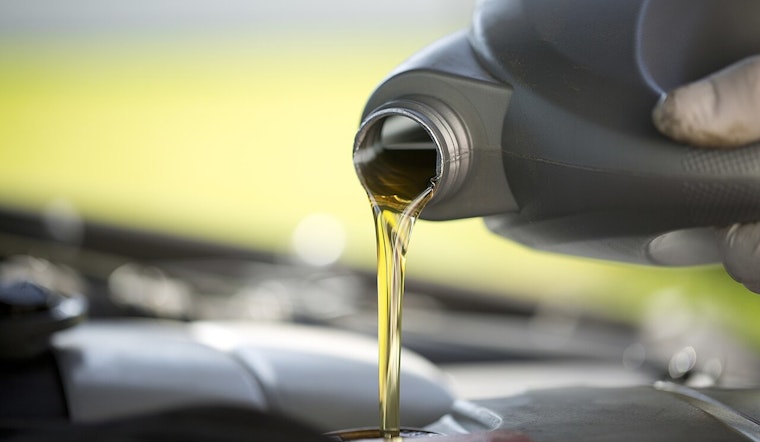
Austin auto shops are quietly bracing for a headache that could hit drivers right in the maintenance budget. Motor oil, the unglamorous stuff that keeps engines alive, is suddenly tight, and local managers say routine oil changes could get more expensive or temporarily harder to book as a global supply squeeze works its way through the lubricant market. Many are tracking allocations from wholesalers day by day and snapping up whatever they can to blunt any sudden sticker shock for customers. The trouble is centered on specific base oils used in many modern synthetic motor oils, not on gasoline at the pump.
As reported by Spectrum News, Don's Automotive manager Jimmy Preston said he has never seen a bottleneck like this and warned of "possible rationing." He told the outlet the shop plans to buy oil in bulk to delay passing price jumps on to drivers, and he added there is no clear timeline for when costs might settle down.
Why Engine Oil Is Suddenly Tight
The crunch is centered on Group III base oils, the refined feedstock that many low-viscosity synthetic lubricants rely on. The trade group representing independent manufacturers says the exposure is significant. The Independent Lubricant Manufacturers Association notes that many lubricant formulas are roughly 75% base oil and that recent attacks and shipping disruptions have pushed remaining spot supplies onto allocation. ILMA has asked industry groups and federal agencies for temporary flexibility while manufacturers try to keep finished products moving.
How Big The Disruption Is
Industry reporting indicates roughly 44% of U.S. Group III supply is tied to refineries in the Middle East and has been affected, putting unusual pressure on certain synthetic grades, according to Fortune. The light-viscosity oils most exposed include 0W-8, 0W-16 and 0W-20, the grades that many newer hybrids and fuel-efficient cars call for. Some refiners say it could take many months before full capacity is restored.
What Drivers Can Expect
Drivers are more likely to spot thinner shelves, temporary out-of-stock labels on specific viscosities, fewer discounts and steadily rising prices than a total disappearance of motor oil, Axios reported. That combination is likely to nudge some people to delay nonessential service, while shops try to stretch what they have on hand and prioritize urgent jobs over quick convenience changes.
How Shops Are Responding
Repair shops and dealerships are placing larger orders when they can, tightening up walk-in oil sales and talking through approved substitutions with manufacturers and wholesalers. Automakers and parts chains have issued internal notices. Nissan drafted a dealer bulletin that capped Genuine Oil allocation at about 55% of prior-year volumes, according to The Drive. An alleged AutoZone memo warning of a roughly 40% drop in allocation was posted and reported by Carscoops. On the ground in Austin, managers say buying in bulk is their quickest defense against having to jack up prices for regulars every time a new shipment arrives.
What To Do Now
If your car needs a specific low-viscosity oil, checking with your manufacturer or a trusted shop before agreeing to a substitute is a smart move. Automakers have issued substitution guidance in some cases while they juggle allocations, according to Fortune. Industry groups like the Independent Lubricant Manufacturers Association are pressing regulators for temporary flexibility as refiners repair damage and adjust production, but analysts warn the strain could continue into 2027 before supplies truly normalize. In the meantime, independent shops around Austin say they will do what they can to shield their steady customers from sudden spikes while they juggle inventory and allocations.





