

























































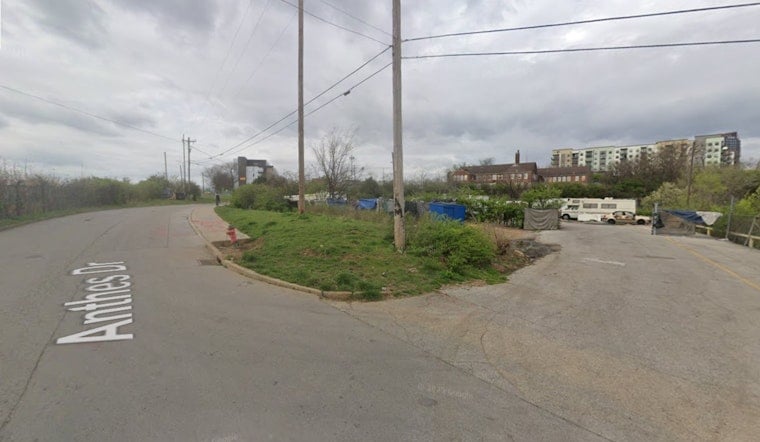
A year after Metro officials cleared Old Tent City along the Cumberland River, the once-crowded encampment is now a fenced, scraped patch of ground waiting for its next act. The empty lot is less an ending than a marker in an ongoing fight over how Nashville handles homelessness, with former residents scattered across very different realities: some in permanent apartments, others in motel rooms, and many back on the street, even as the city lines up plans for future development.
City numbers and the one-year tally
When the camp shut down in spring 2025, Metro identified roughly 125 people on a by-name list, and Office of Homeless Services records later showed about 108 people were moved into housing programs or motel placements. OHS director April Calvin told reporters the homelessness response "works for most people" while also conceding that a share of those rehoused end up back outside, which she estimated at around 15 percent. That combination of placements, the cleared and fenced riverfront lot, and a proposal from Councilmember Jacob Kupin to bundle the former Tennessee School for the Blind site and the riverbank into one master-developer plan for housing, a park, and a central intake center is broken down by the Nashville Banner.
Transitional rooms at the Rodeway and outreach work
Metro's initial "housing surge" leaned heavily on rooms at a south Nashville motel, primarily the Rodeway Inn, where outreach teams and partner organizations did intensive casework to replace IDs, connect people with health care, and help them look for jobs. Local reporting notes that more than 80 people were placed at the motel as a temporary stop, and that it became a complicated landing spot where staff and residents alike navigated births, funerals, and small but significant moves into more stable housing. Those motel placements and the friction between the city and service providers were detailed by Nashville Scene.
Residents' lives since the closure
For some people who left Old Tent City, the motel stay turned into a real foothold. Shay Freeman secured an apartment after time at the Rodeway, and Andy Sliwa moved into a unit at Cheatham Place in May. Others are living on thinner ice. Vanessa Hamrick-Carey moved into a rental on Ninth Avenue North, splitting about $1,200 a month in rent with housemates and cutting back from eight dogs to three. Reporting from the Nashville Banner follows those individual stories and the local partners who walked residents through the maze of vital records and paperwork required for housing.
Numbers, transparency, and provider pushback
Advocates argue that the official counts around the closure have been uneven, and that the city did not always share the by-name list used to prioritize placements, which they say made outreach and advocacy harder. Open Table Nashville published its own breakdown of the closure, noting that about 107 people were included in the roll-up, with most moved into motel rooms and a smaller group placed into permanent units, and called for mediation and clearer communication. Public comments submitted through Metro's Coordinated Entry process echoed those criticisms, as outreach workers warned that shifting people into short-term motel rooms without guaranteed permanent housing risks simply "moving the camp inside," according to documents filed with the city. Those comments are included in Metro Nashville public comments.
What the riverbank might become
Even before the closure, city leaders had their eye on the riverfront parcel for a future Wharf Park, and in 2022, Metro bought the former Tennessee School for the Blind at 88 Hermitage Ave. to help assemble a broader park and development footprint. Planners and several councilmembers have floated the idea of pairing public green space, a boathouse, and housing, and Councilmember Jacob Kupin, who serves on East Bank planning efforts, has suggested a master-developer strategy that would combine park amenities with new housing and a centralized intake hub for homelessness services. Coverage of the park concepts and the school purchase appears in Nashville Scene, and Kupin's role on East Bank planning is outlined in Jacob Kupin, Metro Council.
A year on: the unfinished work
For advocates, the Old Tent City closure keeps serving as a case study in what happens when encampments are cleared without a strong pipeline of permanent supportive housing. Metro officials highlight dozens of placements and say the system is getting better, while providers continue to push for more transparency, stronger case conferencing, and quicker access to permanent units. As debates over Wharf Park and redevelopment move ahead, the unresolved question is whether the coming year will bring more lasting homes or just another round of temporary moves.





