

























































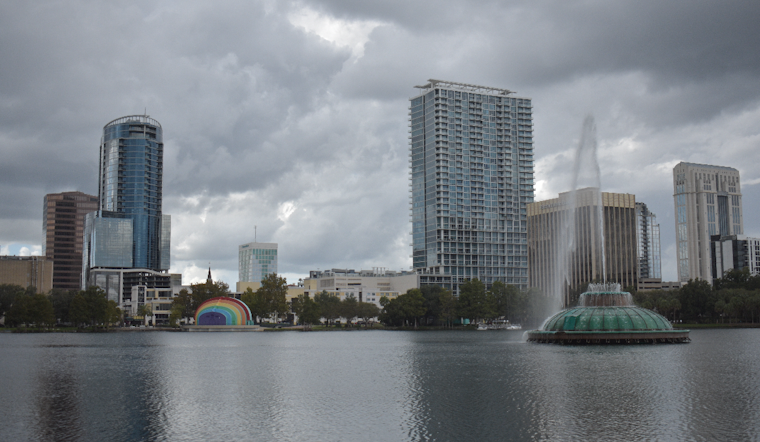
Orlando is waking up warm and sticky Wednesday, already around 79°F with dew points in the mid 70s. The high is expected to top out near 93°F, and showers and thunderstorms are likely after 11 a.m. on Wednesday, June 24, 2026, with the most widespread activity later this afternoon and into the evening. Once you factor in the humidity, afternoon heat index values will jump into the 100 to 105°F range, so it will feel a lot hotter than the thermometer suggests.
Afternoon Storms And Timing
Storms are expected to start popping after 11 a.m. and ramp up through the afternoon as the west coast and east coast sea breezes collide over the interior. Rain chances sit at about 60%. Most cells will bring brief heavy downpours and frequent lightning, with many spots picking up around a quarter to a half inch of rain. Any slow movers could easily dump 2 to 3 inches in localized areas. Gusty outflow winds of 40 to 55 mph are the main concern, with a small risk of an isolated stronger gust or some small hail, according to the National Weather Service in Melbourne.
Heat And Commute Impacts
With air temperatures near 93°F and all that moisture hanging around, outdoor time will be uncomfortable and could raise heat stress risks. Try to get the hard work or workouts done earlier in the day if you can. The afternoon storms may also tangle up commutes, as sudden downpours and bursts of wind can quickly cut visibility and lead to temporary street flooding or debris on the road. The same sea breeze collision setup that turned Orlando into a steam bath earlier this week will help decide exactly where and when storms flare, so coverage could shift as the boundary wobbles inland.
Boaters, Events And Practical Tips
Boaters should be ready to head for shore if storms start building, since offshore moving storms with lightning are the main marine hazard and seas will generally sit around 1 to 2 feet. For outdoor events and gatherings, keep water, shade, and a lightning safe shelter close by, and secure any loose furniture or tents because outflow winds can arrive fast. Check hourly forecasts before heading out and be prepared to delay plans or move things indoors if you hear thunder nearby.
This forecast will be updated if any watches or warnings are issued. Before you head out for afternoon plans, check local forecasts and event notices. For official hourly details and alerts, consult the National Weather Service in Melbourne along with local authorities.





