

























































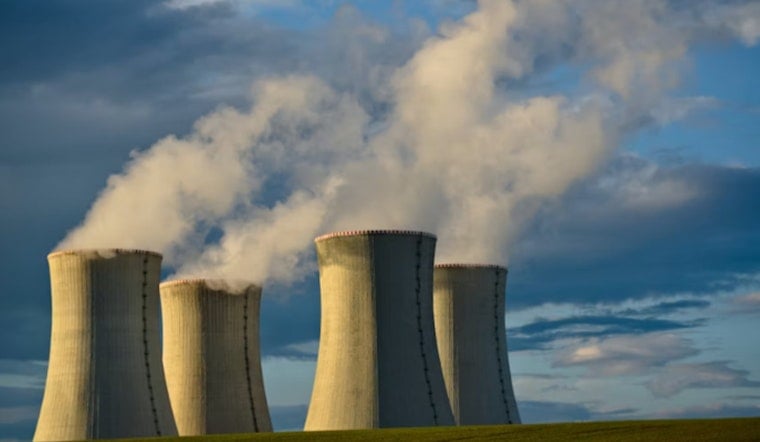
Arizona’s biggest power players have quietly kicked off a statewide hunt for places to park the next generation of nuclear reactors, mapping potential sites from one end of the state to the other as electricity demand keeps climbing. The work is strictly early stage for now: utilities say they are running a broad screening to winnow down a list of candidate locations, including shuttered coal plants, not greenlighting construction. Any actual project, they stress, would come only after a long trail of technical studies, financial vetting and regulatory reviews.
In a June 24 press release, Pinnacle West, the parent of Arizona Public Service, said APS, Salt River Project and Tucson Electric Power are using an industry-standard, phased screening process to evaluate sites across Arizona and expect to start stakeholder outreach and public meetings later this year. The utilities estimate the siting study will take about six months and are aiming to help cover a projected 4,000-megawatt jump in demand by 2033, according to the Phoenix Business Journal.
Even as they ramp up planning, the companies acknowledged they were not selected for a U.S. Department of Energy grant they applied for in early 2025 and said they intend to keep chasing funding while moving ahead with early siting work, industry reporting shows. Power Engineering has also pointed out that Palo Verde, Arizona’s lone operating commercial nuclear plant, packs about 4,200 megawatts of capacity, underscoring how much firm power the state already leans on.
Why nuclear now
Regulators and utilities have been warning that record-smashing summer peaks, a rush of new data centers and planned coal retirements are all tightening the grid, a theme that surfaced repeatedly during workshops hosted by the Arizona Corporation Commission earlier this year. The commission and local coverage have also kept geothermal and other low-carbon, always-on options in the mix, but officials say nuclear’s around-the-clock output offers a different kind of backup for wind and solar. Hoodline dug into the state’s geothermal power push in April.
Where reactors might go
Utility statements and industry watchers say the search will hinge on basics like transmission access, industrial zoning and water, which makes certain retired coal plants early favorites in the screening process, World Nuclear News reported. Observers also note that existing assets such as Palo Verde could provide a regulatory and permitting head start if companies look at expansions or nearby projects, a point highlighted by Power Engineering.
What comes next
According to Pinnacle West, the six-month screening effort should narrow the field to a short list of candidate sites. That in turn could set the stage for the utilities to pursue an Early Site Permit with the U.S. Nuclear Regulatory Commission if they decide to move forward. The companies say they plan to hold community meetings near potential locations in late 2026 and emphasize that any eventual project will hinge on proven cost control, supply-chain reliability and available financing.
What to watch
Onlookers will be watching to see whether the shortlist leans heavily on coal-plant conversions, whether federal or private money shows up and how communities react when nuclear moves from abstract maps to specific neighborhoods. The Arizona Corporation Commission workshop also spotlighted the sheer price tag involved and the growing interest from hyperscalers and other big customers. Consultants told regulators that a multi-reactor project can easily clear $20 billion, a figure laid out in the Arizona Corporation Commission summary.





