

























































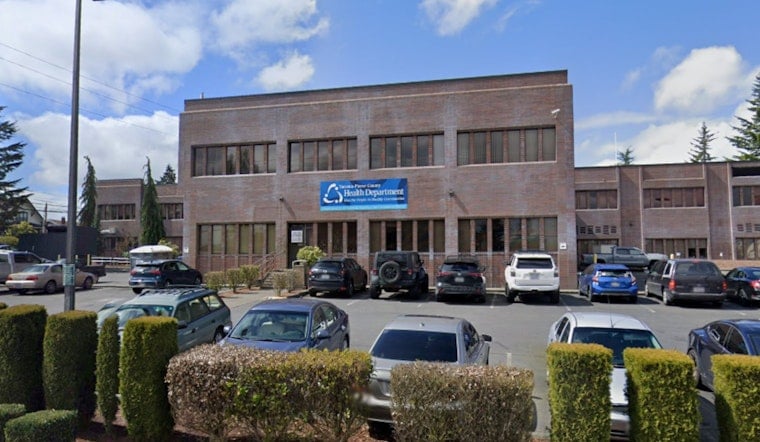
After nearly a decade coordinating Tacoma and Pierce County’s response to the overdose epidemic, the Tacoma‑Pierce County Opioid Task Force began winding down in June 2026. Officials say the group's work will be absorbed into standing public‑health programs as local indicators show improvement, even as some advocates warn the crisis is far from over.
According to a June 24 news release from the Tacoma‑Pierce County Health Department, deaths, emergency‑department visits and emergency response calls tied to opioid overdoses have declined in recent years. The department reports that emergency‑department visits associated with synthetic opioids fell about 43% since 2023, and that first responders averaged roughly 64 fewer overdose calls per month in 2025. Health department‑provided data reviewed by The News Tribune put opioid‑related deaths at about 300 in 2025, compared with 88 in 2019, a reminder that “better” still means hundreds of grieving families a year.
Pierce County, which expects to receive roughly $55 million in opioid settlement money through 2034, reports that early payments have gone toward workforce development, medical services and residential facilities, according to the county's settlement page. The county’s spending plan highlights priorities such as extended detox services and investments to expand treatment capacity. The regional task force also helped steer local spending and maintains a public data hub at the Tacoma‑Pierce County Opioid Task Force website.
What the New Phase Looks Like
Health department officials frame the shift not as a retreat but as a reorganization: task‑force responsibilities will move into the Public Health Clinic and the Behavioral and Emotional Health program to keep prevention, treatment and harm‑reduction work going. That includes continuing the department's opioid treatment clinic, boosting naloxone access and expanding detox stays from five to 10 days, the department says. In other words, the work is supposed to stick around, even if the task force banner comes down.
Why Advocates Urge Caution
Advocates point out that despite recent declines, the annual tally of overdose deaths remains far above pre‑pandemic levels, and that harms continue to hit people experiencing homelessness and other vulnerable groups hardest. Community leaders say sustained funding and increased treatment capacity are necessary as the region moves into this “new phase” of its response, and they plan to watch settlement spending and capacity metrics closely, The News Tribune reported. The message in advocacy circles: progress is welcome, complacency is not.
What to Watch Next
Going forward, monthly dashboard updates, quarterly medical‑examiner reports and the county's settlement spending decisions will be key signals of whether recent gains hold as programs are folded into regular public‑health operations. Local officials say they will keep prioritizing data, naloxone distribution and access to medications for opioid use disorder, while community advocates continue to press for stronger treatment capacity. The task force may be winding down, but the scoreboard on overdose trends is still very much on.



