

























































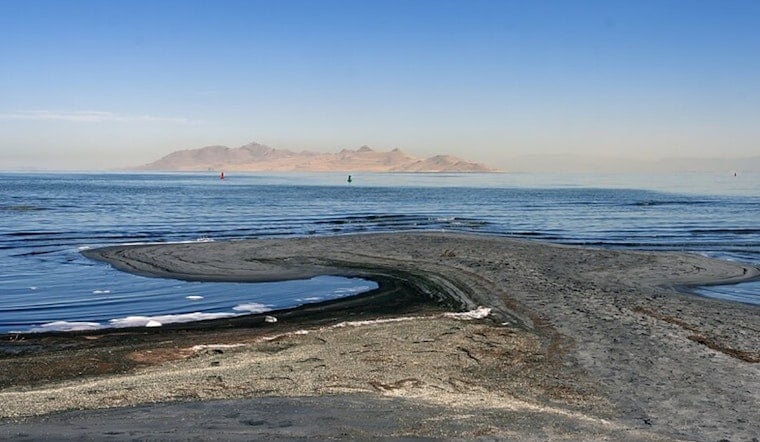
A new University of Utah survey finds the crisis at the Great Salt Lake is not just a scientist-to-scientist conversation anymore. Sixty-nine percent of Salt Lake County residents say they are worried about the lake’s decline, with 77% concerned about loss of animal habitat and 73% citing dust-related health risks. The poll, which reached 515 residents, also highlights economic and quality-of-life worries cutting across age groups and neighborhoods. Younger people, women and some racial and ethnic minority communities report even higher levels of concern. Against years of scientific warnings about dropping water levels, the numbers show that anxiety about the lake has firmly entered everyday Salt Lake life.
Study Publication And Authors
The peer-reviewed paper, titled "Concerns About the Drying Great Salt Lake: What Do People Care About and Who Cares the Most?," was published online May 31 in the journal Environment and Behavior. The abstract credits Sara Grineski, Malcolm Araos, and Timothy Collins as authors and notes that the research is based on survey responses from 515 Salt Lake County residents. The journal describes the work as an analysis of how concern over the drying lake varies according to sociodemographic characteristics and personal experience with the lake.
Top Concerns: Habitat, Dust And The Economy
When asked what worries them most, residents most often pointed to loss of animal habitats, at 77%, and the health impacts of dust emissions, at 73%, according to a University of Utah news release on the study. Sixty-five percent flagged potential economic fallout. Another 64% said they were concerned about the quality of life, and 48% mentioned impacts on lake-related recreation. The project was funded by a U.S. Environmental Protection Agency grant. The researchers report that concern is greater among women, by about 16 percentage points, as well as among people under 30, foreign-born residents, and Hispanic/Latinx and Pacific Islander communities. They argue that these patterns highlight uneven vulnerability and help identify which groups are most likely to push hardest for stronger protections.
Who Is Most Concerned And Why Framing Matters
The study’s lead author said the research helps explain how people with different backgrounds and experiences interpret the fallout from a drying Great Salt Lake. Coauthor Timothy Collins added that "policies will gain stronger public support if they are framed as actions needed to protect wildlife or other key values," according to the university’s coverage of the work. That kind of framing looms large as officials weigh options that include buying or leasing water rights from agricultural users, expanding dust-control projects, and restoring wetlands. Advocacy groups, scientists, and state agencies have been arguing over a patchwork of approaches in recent months, and the new survey offers a local barometer for what might resonate with the public. The authors suggest that tailoring outreach to specific community priorities could help secure the buy-in needed for costly and technically complex solutions.
Next Steps For Policymakers And Residents
The researchers encourage policymakers and advocates to use the findings to craft outreach and policy messages that match what residents say they care about most, especially wildlife protection, public health, and quality of life. State and collaborative efforts to monitor the lake and respond to its decline are ongoing, with recent data and policy updates available from the Great Salt Lake Collaborative and state partners. Utah has also been trying out ideas like agricultural leases that are intended to free up water for the lake, as per Hoodline. As leaders juggle short-term fixes and longer-term changes, the survey suggests that many Salt Lake County residents will be watching closely to see how proposals affect local ecosystems, community health, and the region’s sense of identity. The paper stops short of endorsing specific solutions, but it offers clearer evidence about public priorities that could shape the next round of decisions.


