

























































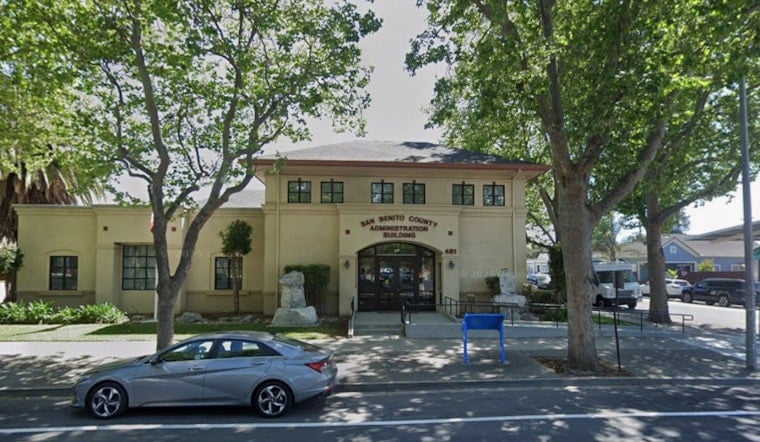
San Benito County leaders are in hurry-up mode to stabilize the sheriff’s office after a wave of departures and reassignments left patrol cars and jail posts running light. One supervisor is pushing a short-term package of hiring and retention bonuses aimed at keeping deputies from bolting for higher pay in neighboring counties. The idea is landing just as the county finalizes its FY 2025–26 budget and local officials debate whether one-time payouts can plug the staffing holes fast enough.
What supervisors are putting on the table
Supervisor Kollin Kosmicki rolled out the proposal at Tuesday’s Board of Supervisors meeting on June 16, pitching a mix of hiring bonuses and retention pay to slow the exodus, as reported by SanBenito.com. The framework calls for hiring bonuses of up to $25,000 for new sworn patrol staff, one-time retention bonuses equal to about 10% of an employee’s current base pay for existing patrol and field personnel, and a change that would let experienced recruits count prior years of service toward longevity pay. Any final package would still need full Board approval and would have to be negotiated with the deputies' union.
Grand jury: deputies and jail staff are stretched thin
The county’s own watchdogs had already sounded the alarm. A June 3 Civil Grand Jury report described correctional officers and patrol deputies as stretched thin and urged San Benito County to look at retention incentives and operational fixes, according to BenitoLink and the court’s release. The grand jury found roughly 29 patrol deputies and about 31 correctional staff on the books, with several jail employees out on medical or administrative leave. It also recommended policy changes such as requiring two officers for inmate transports in order to cut safety risks. The court released the grand jury’s final report earlier this month.
San Juan Bautista loses its dedicated deputy
The staffing strain is already reshaping life in at least one small city. The sheriff’s office has pulled the deputy who had been dedicated to San Juan Bautista and folded the town into the broader countywide patrol rotation instead of keeping a one-off assignment there, local television coverage shows. Sheriff Eric Taylor told reporters that vacancies forced leaders to bring those deputies back into general patrol, calling the move a difficult operational decision. Residents in San Juan Bautista have openly questioned what the change will mean for response times and day-to-day presence in the community, according to KSBW.
Union reaction and the pay gap
The San Benito County Deputy Sheriffs Association is treating Kosmicki’s idea as a welcome but partial fix. The union has called the proposed incentives a step toward addressing the staffing crunch while pressing for more permanent pay changes. DSA President Sgt. Kaleb Simpson told SanBenito.com that deputies are being drawn away by neighboring agencies offering 30 to 40% higher compensation in exchange for only a 30 to 45-minute commute. Union leaders say short-term bonuses might help slow departures, but long-term stability will depend on how competitive base pay and benefits look compared with surrounding departments.
Budget math and what comes next
The county’s own budget sheets underscore how tight things have gotten. In the FY 2025–26 documents, the authorized Sheriff - Operations headcount drops from about 40.5 full-time equivalent positions in 2024–25 to roughly 36.5 FTE in the 2025–26 request, with corrections roles showing similar reductions, according to the San Benito County FY 2025–26 budget. The Board is set to weigh Kosmicki’s incentive plan as part of final budget actions later this month, and KSBW reports that supervisors have already lined up related discussions tied to the budget cycle. If approved, the bonuses would serve as temporary stopgaps while county officials and labor leaders work through negotiations on longer-term pay and staffing solutions.



