

























































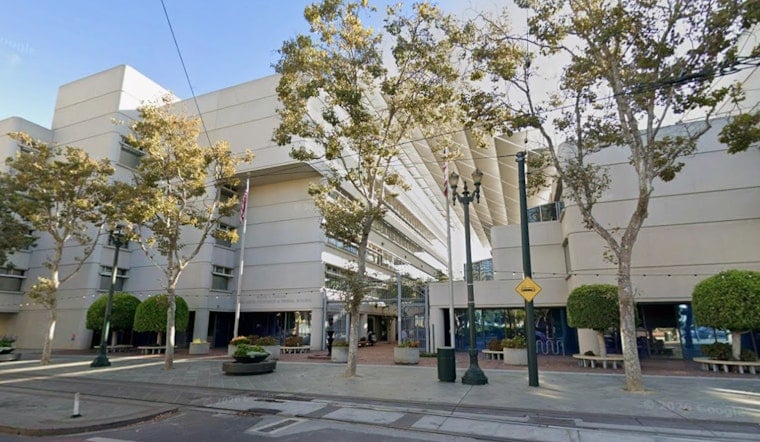
In a ruling with coast-to-coast consequences, a federal judge in San Francisco has temporarily barred Immigration and Customs Enforcement from making civil arrests inside or immediately outside immigration courts anywhere in the country. U.S. District Judge P. Casey Pitts issued the order on Tuesday in a class-action case that plaintiffs say forced migrants to choose between showing up for hearings and risking detention. Attorneys for migrants are calling the move a basic restoration of access to the immigration courts.
What the Order Does
Judge Pitts of the Northern District of California signed an order that, according to The New York Times, temporarily blocks ICE from carrying out civil arrests at or immediately around immigration-court proceedings nationwide while the lawsuit plays out. Pitts found that the federal government’s shift in enforcement policy was likely unlawful under the Administrative Procedure Act and directed the agency to follow narrower criteria for making courthouse-related arrests while the case moves forward.
Grounds in the Filings
The Garro Pinchi class action digs into how the government handled courthouse arrests and lays out why the plaintiffs asked for a nationwide injunction. According to the filings, the court found the agency had not offered a reasoned explanation for reviving broad courthouse-arrest practices. Those documents, which include the background, procedural history, and legal reasoning behind the injunction, are available in the public docket via Justia Dockets & Filings.
How the Practice Spread
Immigrant advocates say courthouse arrests ramped up in 2025 after federal guidance encouraged more interior enforcement, with word of those operations quickly spreading through immigrant communities. That spike, they argue, made many people afraid to attend mandatory hearings. In May, a federal judge in Manhattan imposed related limits on courthouse arrests, as reported by The Associated Press. Justice Department lawyers have also acknowledged that they previously relied on an ICE memo that later turned out to be inapplicable, according to reporting by CBS News.
Reactions Split Along Predictable Lines
Immigrant-rights groups quickly cheered the order. The ACLU of Northern California characterized it as a major win that keeps the courthouse doors open to migrants who need to appear before an immigration judge. Critics, meanwhile, blasted the ruling as judicial meddling in federal immigration enforcement. James Percival labeled the decision naked judicial activism in service of an anti‑American, open borders agenda on X, according to The New York Times.
What Comes Next
The federal government can now ask for emergency relief, including a stay of the order, and then take the case to the Ninth Circuit Court of Appeals. Whether an appellate panel pauses the district court’s injunction will turn on the familiar standards courts use for stays pending appeal. Federal Rule of Appellate Procedure 8 explains how parties seek a stay and spells out the factors judges consider, including the government’s likelihood of success on appeal and whether any party would face irreparable harm if the order is left in place.
Local Context
Hoodline previously covered an earlier Pitts ruling that stopped courthouse arrests in Northern California in late 2025, a decision that helped set the stage for the broader class action now before the court. For that backstory, see Hoodline’s coverage of the landmark Northern California courthouse-arrest ruling.
For now, the new order lowers the immediate enforcement risk for people with upcoming immigration hearings, though no one involved is pretending the fight is finished. Appeals could narrow the relief or lock it in for a longer haul. Lawyers for the plaintiffs say the injunction protects migrants who otherwise faced an impossible choice between attending court and being detained, per the ACLU of Northern California.





