

























































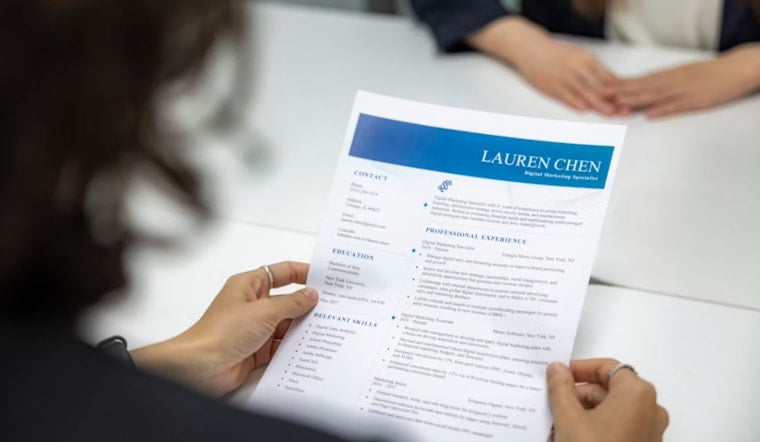
Seattle small-business owners say they are drowning in sleek, AI-polished résumés that look great on screen but make it tougher to spot who can actually do the job. Inboxes are filling up, vetting is getting slower and more complicated, and hiring cycles are stretching out even as many of these companies still plan to grow. The gripe is not just anecdotal, either, with national surveys and local conversations starting to converge on the same headache: hiring in the age of artificial intelligence.
According to a report by Robert Half, a survey of more than 250 U.S. small-business leaders found that 76% are confident about their hiring outlook for the year ahead. At the same time, 47% said finding skilled talent is harder than a year ago, only 12% said they have the talent on staff to complete high-priority projects, and 54% said AI-generated applications have made hiring more difficult.
Local media have been digging into the issue as well. KOMO's ARC Seattle recently brought on Robert Half district president Josh Warborg to break down what this looks like for small employers. The segment underscored how the rapid spread of AI tools is reshaping how people apply for jobs and how recruiters sort through that flood of applications.
State numbers tell a similar story from a different angle. The Workforce Training and Education Coordinating Board's Workforce Training and Education Coordinating Board Employer Needs & Practices Survey found that finding candidates is Washington employers' top workforce challenge. Respondents pointed to thin applicant pools, gaps in real-world experience and a lack of soft skills. The report calls for expanded apprenticeships, more employer-led training and tighter links between job seekers and actual openings.
How AI Resumes Are Slowing Hiring
Robert Half reports that the fast embrace of AI by job seekers has produced a wave of lookalike, ultra-polished résumés. They are impressive at first glance, but smaller hiring teams say they are harder to verify, which means more review time and more risk. In response, 56% of small businesses said they are now more likely to work with a staffing firm because of AI-related hiring challenges, and 84% of those that did said the partners were effective, according to the Robert Half report. Similar complaints are popping up in other cities too, including a recent Atlanta hiring slowdown story that chronicled hiring managers tapping the brakes as AI-crafted applications pile up.
Seattle's Skills Gap Meets AI
The region’s own data suggests the problem is not just quantity, it is fit. The Greater Seattle economic overview notes that the area has a strong base of AI and tech talent. Yet smaller firms often need practical, hands-on skills that differ from research-heavy or highly specialized roles. That mismatch, combined with the extra verification work created by AI-assisted applications, is leaving many neighborhood businesses struggling to fill frontline and mid-level jobs even as AI investment keeps rising across the region.
Hiring experts are steering employers toward simple, low-friction fixes rather than grand, shiny solutions. The recommendations include asking for work samples or short skills tests, using brief paid trial periods, tightening job descriptions to focus on verifiable achievements and leaning on staffing partners or state-supported centers to help screen candidates. For more detailed guidance on how to spot inconsistent or AI-inflated applications, small businesses can look to insights from Robert Half and resources from WorkSource.
Owners say the remedy is not glamorous. It looks like process work: more tests, more verification and smarter partnerships. The payoff, managers report, is fewer bad hires and a faster path from day one to productive work. As local employers juggle growth plans with the reality of hiring in an AI-heavy landscape, the emerging consensus is that AI is changing how hiring gets done, not whether these Seattle businesses bring new people on board.




