

























































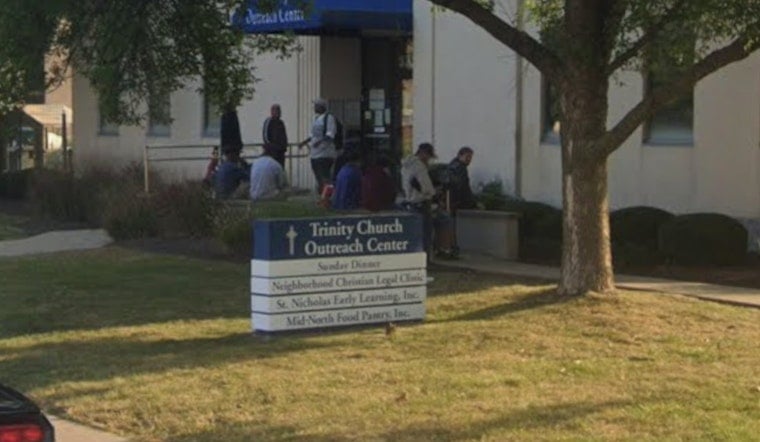
When federal SNAP payments were cut in November 2025, Indianapolis food pantries braced for a wave. Mid-North Food Pantry stretched its schedule, volunteers picked up extra shifts and shelves were restocked as quickly as donations arrived. The pantry now serves roughly 200 people each distribution day, a steep climb from earlier this year.
Mid-North expands hours to meet demand
The pantry at 3333 N. Meridian Street is open Mondays, Wednesdays and Fridays from 10 a.m. to noon and added Saturday hours for June and July to accommodate more visitors, according to Mid-North Food Pantry. The organization also lists nutrition classes, referrals and a community garden among its services. Staff say the extra Saturday shift gives seniors and people who work weekday hours a quieter time to pick up groceries.
Numbers show steady, sustained demand
Kelsey Burton, who became the pantry's executive director nearly two years ago, told WFYI that households served rose about 43.8% in the last year and that distribution days now help roughly 200 individuals, up from about 120. Burton cautioned the increase is not only a short-term spike, saying that "food pantries are the safety net" and that many people who do not qualify for SNAP still struggle to afford basics. The scale of demand has pushed staff to rework volunteer schedules and inventory practices simply to keep pace.
What's behind the surge
The uptick in visits traces back to disruptions in federal SNAP payments in November 2025 that left many households without expected monthly benefits, a nationwide effect reported by news organizations. According to AP, the pause in funding forced families to seek emergency assistance from local pantries. Local reporting also shows coordinated responses, from United Way relief funds to city-run distribution events, aimed at bolstering neighborhood pantries during the disruption, as documented by WRTV.
Local data paints the bigger picture
The strain sits on top of long-running economic pressure. Statewide research identifies a large ALICE population, households that are Asset-Limited, Income-Constrained, and Employed, who remain vulnerable to even small income shocks. Per United For ALICE, about 38% of Indiana households fell below the ALICE threshold in 2024. A 2025 region-wide survey by Indy Hunger Network, summarized by the Central Indiana Community Foundation, found that more than half of Central Indiana respondents reported food insecurity, a reminder of why pantries are seeing such steady demand.
Small staff, big need
The pantry operates with a lean paid staff and a large volunteer base. Mid-North's website highlights volunteer opportunities and lists recent job openings for a pantry coordinator and related roles, a sign of how tight resources remain. As WFYI reports, the organization currently has just three part-time employees, which makes volunteer support especially crucial during peak months.
How neighbors and agencies are responding
Donations of food and time are the immediate lifeline for pantries trying to bridge the gap between benefit cycles. United Way's local Food Relief Fund and city emergency grants helped feed neighborhoods during the November disruption and continue to support operations, as detailed by WRTV. People seeking help can find nearby pantries, meal sites and SNAP sign-up assistance through tools such as the Indy Hunger Network's Community Compass at Community Compass.
For Mid-North and similar neighborhood pantries, the work has shifted from short-term crisis response to steady, day-to-day support. Pantry leaders say they will keep adapting hours, partnerships and volunteer shifts to meet need, and they emphasize that community donations and volunteers are what keep the local safety net from fraying.





