

























































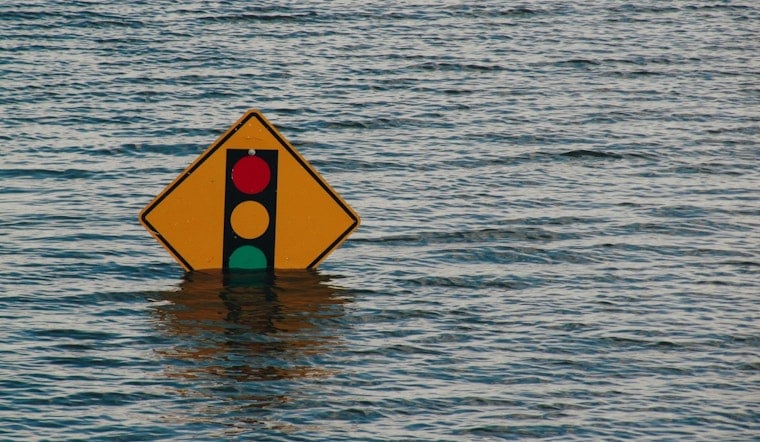
South Florida is in for another steamy one on Friday, and it is not just the heat residents need to worry about. Forecasters say late-afternoon and evening storms could fire up with intense downpours, dropping heavy rain in a hurry and leading to localized flooding. Slow-moving cells may dump enough water to overwhelm storm drains and briefly leave low-lying streets underwater.
CBS News Miami NEXT Weather meteorologist Lissette Gonzalez is warning of a risk for severe thunderstorms and flash flooding in parts of South Florida later Friday, noting that the threat will climb as temperatures and humidity spike, according to CBS News Miami. Her video forecast urges residents to stay weather-aware through the afternoon and evening as storms bubble up.
What forecasters are watching
The National Weather Service office in Miami reports that the remnants of Arthur, combined with a weak shortwave, will push deep moisture over the peninsula and keep precipitable water values near 1.8 to 2.0 inches. That moist setup will support scattered to numerous showers and thunderstorms through the weekend, according to National Weather Service Miami. Weak steering winds mean storms are likely to creep along instead of racing past, which raises the odds that any single storm could unload a lot of rain in a short time.
Forecasters say inland and southwest areas, where sea-breeze collisions are strongest, will see the highest chances for storms. Coastal zones may dodge some of the activity, but any storms that develop near the beaches could still turn dangerous quickly.
How this could play out locally
Earlier in June, slow-moving thunderstorms triggered flash flood warnings and flooded streets, a not-so-gentle reminder that South Florida’s drainage can get overwhelmed fast during intense downpours. Reported heavy evening downpours and flash flood advisories across parts of Miami-Dade and Broward showed how even brief storms can snarl travel and wipe out outdoor plans.
Safety tips
Officials continue to stress a familiar rule for drivers: never attempt to cross a flooded roadway. The National Weather Service’s “Turn Around, Don’t Drown” guidance applies whether the water looks shallow or not. Lightning safety is just as critical, which means heading indoors at the first rumble of thunder and waiting 30 minutes after the last lightning or thunder before going back outside, according to the same guidance.
The Florida Division of Emergency Management recommends staying plugged in to local alerts, keeping phones charged and avoiding low-lying streets during heavy rain, per the Florida Division of Emergency Management. If you have to be on the road, build extra time into your trip and steer clear of spots that are known to pond or flood quickly.
Before heading out, residents are encouraged to check updated radar and any new watches or warnings. The National Weather Service’s South Florida pages carry the latest advisories and radar imagery, according to National Weather Service Miami, and local broadcast teams are expected to track storms on air through the afternoon and evening.



