

























































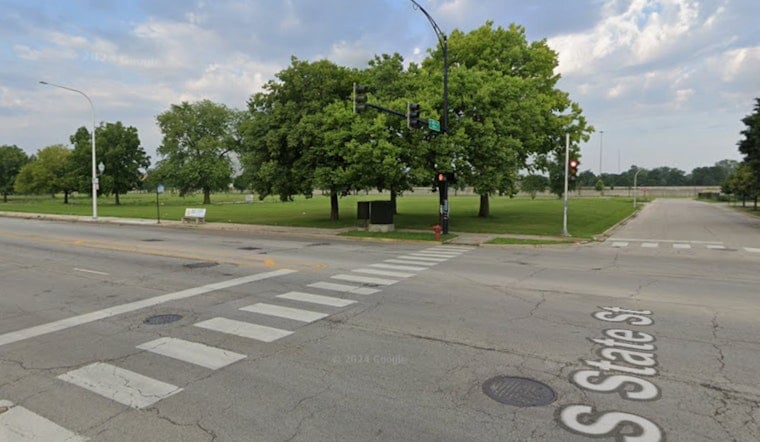
Work crews rolled onto the long-dormant Kenwood “L” embankment in Bronzeville on Monday, launching environmental soil testing that marks the first visible step toward a planned two-mile elevated walking and bike trail. Organizers say the sampling is the opening move in a push to turn the old rail line into a South Side connector to the lakefront bike path and a new neighborhood linear park.
Soil testing begins on the embankment
As reported by Block Club Chicago, crews moved onto the abandoned rail embankment this week, using drilling rigs to pull borings from the top of the structure. The Cook County Department of Environment & Sustainability scheduled the environmental soil sampling in the 40th to 45th blocks of State Street, according to The Citizen Newspaper Group. Officials say the borings will determine whether cleanup or structural repairs are needed before designers finalize construction plans.
What they're planning to build
According to the Bronzeville Trail Task Force, the route would convert the Kenwood embankment into a roughly two-mile elevated linear park running from 40th and Dearborn east toward 41st and Lake Park, with potential access to the 41st Street pedestrian bridge and the lakefront path. The project is planned as a mix of landscape design, public art, and history interpretation that creates a continuous pedestrian and bike corridor through Bronzeville. Supporters have described it as a South Side counterpart to the North Side’s Bloomingdale Trail, and the effort carries an estimated price tag of about $100 million, according to the Chicago Sun-Times.
Funding and timeline
Initial funding for pre-development work is already in place. The Mellon Foundation has awarded a $900,000 grant to support landscape and history planning, while reporting indicates that the city and Cook County have committed roughly $5.5 million for early design and study costs, according to Chicago YIMBY. Organizers have told reporters the task force is aiming to open the trail to the public around 2030, with that timeline hinging on environmental findings, federal grant competitions and private fundraising as capital campaigns ramp up. Supporters say the trail could help drive neighborhood investment and economic activity, according to coverage in the Chicago Crusader.
Neighborhood stewardship and plants
Organizers have stressed a community led stewardship model, with local partners expected to help care for plantings and programming along the elevated corridor. Ald. Pat Dowell’s newsletter points to the Bronzeville Neighborhood Farm and its leader, Rosalyn Owens, as neighborhood resources that can grow annuals and perennials and train young people to propagate plants for the trail. The task force has signaled similar workforce opportunities on its project pages, and advocates say those training and hiring pipelines are key to making sure the trail benefits residents in ways that go beyond new foot traffic.
What to watch next
Next up are full reports from this week’s soil borings, more community engagement sessions and the hunt for larger construction funding. The task force has already presented a framework plan to city planning staff and is set to host additional public meetings this fall and winter to gather input, according to The Citizen Newspaper Group. For neighbors watching the long dormant embankment, the coming months will show whether test results and fundraising can move the Bronzeville Trail from planning documents to actual construction.





